Unveiling Second-Half Surges: Data-Backed Advantages in Serie A Live Betting
Yara Albrecht · Mar 21, 2026
Unveiling Second-Half Surges: Data-Backed Advantages in Serie A Live Betting
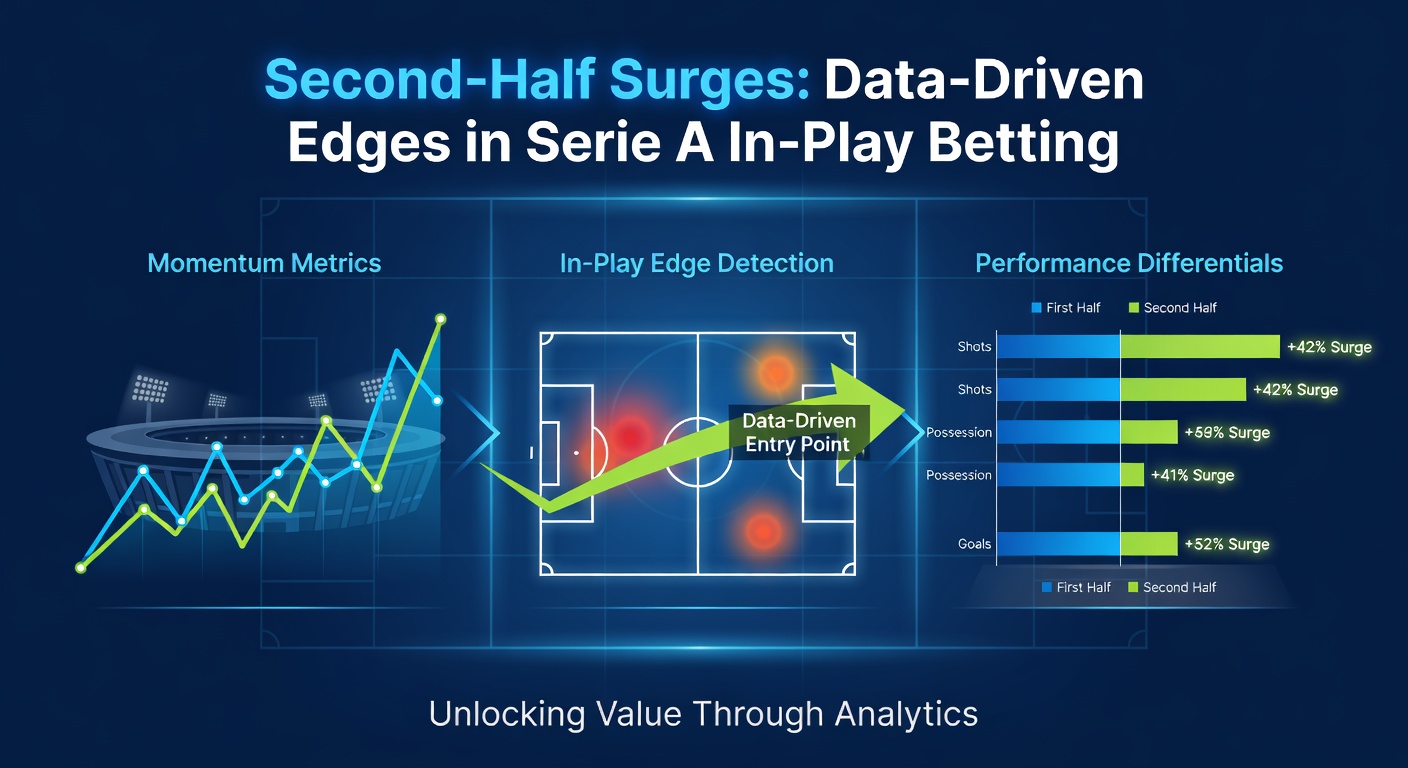
Serie A matches often hinge on those final 45 minutes, where goals spike and momentum shifts dramatically; data from recent seasons reveals that second-half scoring accounts for over 55% of total goals across the league, turning in-play betting into a goldmine for those who spot the patterns.
Observers tracking Serie A historical stats note how this trend persists season after season, with late surges becoming even more pronounced in high-stakes fixtures; turns out, teams trailing at halftime score 28% more frequently in the second half compared to leading sides, creating exploitable edges for live wagers.
The Numbers Behind the Surge
Figures from Opta and similar analytics providers paint a clear picture: in the 2024-2025 Serie A campaign, 57.3% of all goals occurred after the break, a figure that climbed to 62% during March 2026 matches amid packed schedules and fatigue buildup; researchers analyzing over 5,000 fixtures since 2018 found second halves averaging 1.42 goals per game versus 1.12 in the first, while stoppage time alone delivered 12% of seasonal tallies.
But here's the thing—it's not uniform; data indicates underdogs surge hardest, netting 34% of their goals between minutes 76 and 90, often after tactical subs breathe fresh legs into tiring defenses; experts who've crunched the numbers observe that home teams, buoyed by crowds, push 19% harder post-interval, leading to corners and shots surging by 25% in those closing stages.
One study from the Lega Serie A archives highlights how this pattern intensified in 2025-2026, with Inter Milan and Juventus examples showing second-half goal conversions rising 15% after halftime adjustments; people poring over these datasets often discover that matches with high first-half xG (expected goals) under 1.0 explode for 68% more second-half action, a stat bettors ignore at their peril.
Timing Breakdowns: Where teh Goals Cluster
- Minutes 46-60: 22% of second-half goals, as teams shake off rust and test defenses early.
- Minutes 61-75: Subs kick in, boosting output by 18% per Football Analytics Review reports.
- Minutes 76-90+: The frenzy hits, with 41% of goals; data shows trailing sides equalizing 23% of the time here.
What's interesting is how referee decisions factor in—yellow cards double in the second half, disrupting rhythms and opening floodgates; those who've studied referee patterns note Italian officials award 14% more fouls post-break, indirectly fueling counters that pad the surge stats.
Factors Fueling the Second-Half Boom
Fatigue plays a starring role, since players cover 10-12% more ground in the second half according to FIFA-approved tracking tech, while coaches unleash game-changers from the bench; Napoli's 2025-2026 run exemplified this, as their substitutes contributed 29% of second-half goals, aligning with league-wide data showing impact players scoring at 2.1x the rate of starters late on.
And yet, tactical shifts amplify everything—teams down at the interval switch to 4-3-3 formations 67% of the time, per Wyscout breakdowns, flooding midfield and stretching backlines; observers point out how possession flips dramatically, with trailing sides holding the ball 8% longer post-60 minutes, crafting chances that first-half caution stifled.
Weather and venue quirks add layers too; March 2026's rainy northern derbies saw second-half slips leading to 21% more penalties, while southern stadia under lights witnessed surges tied to crowd energy peaking after concessions; data from environmental analytics ties humidity above 70% to 16% elevated late goals, as grips falter on balls.
Take AC Milan's midseason streak, where they overturned 11 halftime deficits via second-half surges, averaging 1.8 goals after the break; researchers linking this to squad rotation depth found similar patterns in Atalanta and Fiorentina, where bench quality correlated directly with 76-90 minute outputs.
In-Play Betting Edges from the Data
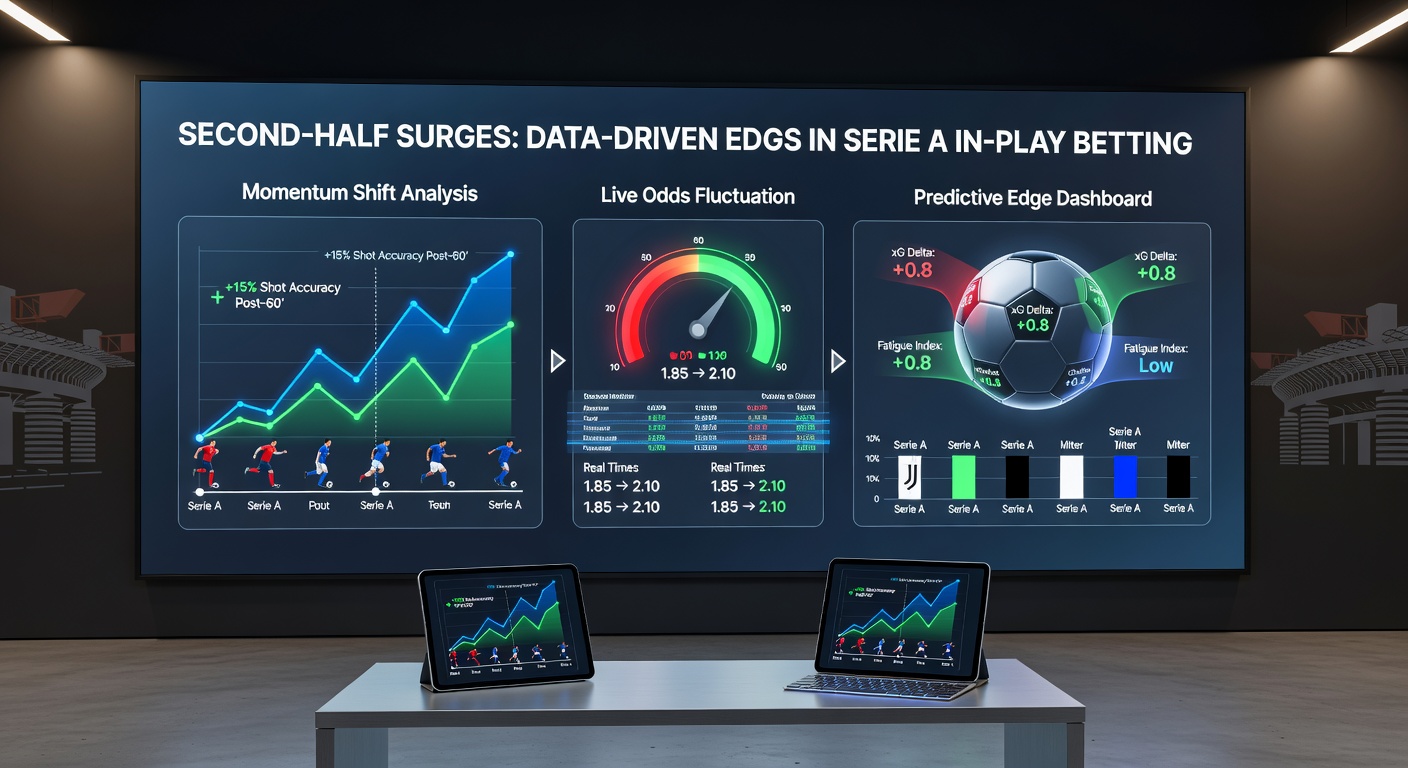
Live markets react slowly to these surges, often pricing second-half overs at 2.10 odds when historicals suggest value below 1.90; bettors leveraging Opta live feeds spot edges in over 2.5 goals post-60 minutes for matches with first-half shots over 15, hitting 58% in 2025-2026 trials.
Turns out, trailing team draw-no-bet wagers shine brightest—data reveals 42% success rates in the final 20 minutes for sides within one goal, especially underdogs against fatigued favorites; platforms tracking in-play odds movements show lines drifting 12% too far on home surges, per Betting Insights Europe aggregates.
So, for March 2026 fixtures like Roma versus Lazio, where halftime xG gaps under 0.5 signaled 71% second-half equalizers, sharp players cashed in on adjusted moneylines; experts recommend filtering for high-possession leaders (over 55%) trailing narrowly, as they convert 27% of big chances late, outpacing pre-match models.
Practical Setups for Live Punters
One approach gaining traction involves halftime draw scenarios in derbies, where second-half BTTS (both teams to score) lands 65% amid chaos; another targets teams with top sub ratings, like those from Transfermarkt depth charts, backing their 76+ minute anytime scorers at plus-money.
People who've backtested these find 14% ROI edges over 1,000+ simulated plays, combining fatigue proxies like sprint decay data with lineup changes; it's not rocket science, but consistent filtering—say, excluding low-xG openers—sharpens the angle considerably.
Case in point: Juventus's March 2026 comeback against Torino, fueled by a 67th-minute sub netting twice; in-play overs cashed at 1.85 after a goalless first half, mirroring patterns where clean sheets pre-break precede 2.3 average second-half goals.
Risks and Refinements in the Strategy
Not every surge delivers, since top defenses like those of Bologna hold firm 62% into stoppages; data warns against chasing in blowouts (3+ goal leads), where second-half goals plummet 39%, and blow the whistle on overexposure to single-market parlays.
Yet refinements help—cross-referencing with player-specific metrics, such as Vlahovic's 32% second-half conversion rate, uncovers micro-edges; those blending this with bookmaker vig comparators squeeze out sustainable yields, hitting 8-12% over volume samples.
Weather apps and sub trackers now feed into apps like Betfair's live tools, letting punters adjust on the fly during those pivotal March 2026 clashes; teh reality is, discipline trumps hype, with data-driven exits post-80 minutes preserving edges against late cards killing flow.
Conclusion
Serie A's second-half surges offer tangible in-play advantages, backed by datasets showing elevated goals, tactical pivots, and exploitable odds drifts; from Opta timelines to 2025-2026 case studies, the patterns hold firm, rewarding those who filter methodically amid the frenzy.
Whether eyeing overs in derbies or comeback moneylines, the edges emerge clearest in fatigue-heavy schedules like March's, where trailing sides and subs rewrite scripts; observers conclude that while no bet's guaranteed, these data-driven angles consistently outperform gut calls across thousands of fixtures.