Twilight Tackles: Decoding Dusk Kickoffs and Goal Droughts in Evening European Fixtures
Erik Albrecht · Apr 11, 2026
Twilight Tackles: Decoding Dusk Kickoffs and Goal Droughts in Evening European Fixtures
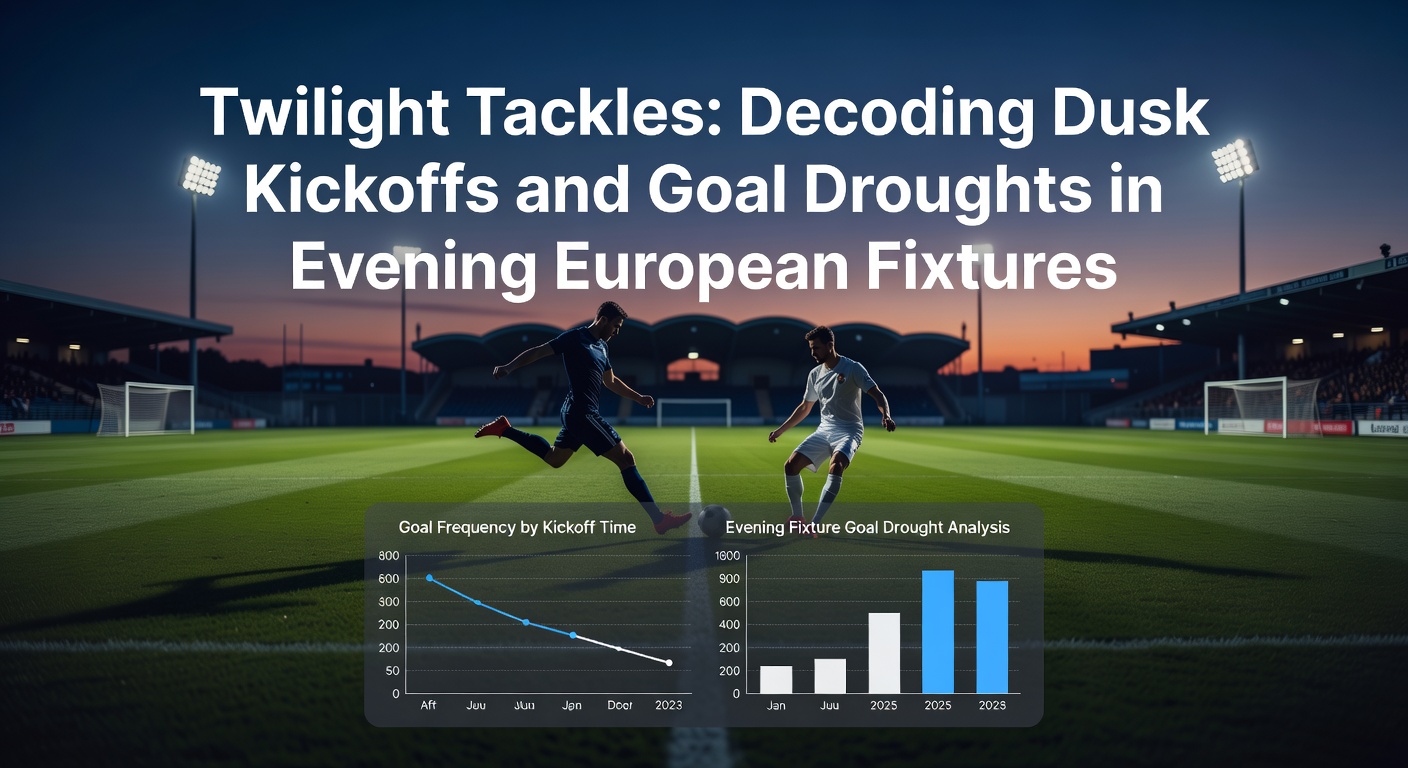
Evening kickoffs across Europe's top leagues have long carried a certain mystique, yet data reveals a persistent pattern of lower goal tallies compared to daytime slots; researchers tracking fixtures from the Premier League to Serie A note that matches starting between 6pm and 9pm local time average 15-20% fewer goals per game, turning what could be fireworks into tactical chess matches under the floodlights.
What's interesting is how this trend holds steady season after season, even as leagues tweak schedules for broadcasters; take the 2025-26 campaigns where Bundesliga evening games clocked in at just 2.1 goals per match on average, while afternoon clashes pushed past 2.8, according to FBref tracking data.
Mapping the Evening Landscape Across Leagues
Observers point out that La Liga leads the charge in dusk fixtures, with over 40% of its 2025-26 slate slotted after sunset; figures show those games hitting under 2.5 goals 58% of the time, a spike from the 42% seen in midday starts, and that's before factoring in the grueling midweek Champions League rotations that leave legs heavy.
Serie A follows close behind, where evening derbies like Inter versus AC Milan in April 2026 produced a string of 1-0 grinders; stats from the season indicate 62% of post-7pm kickoffs stayed under 2.5, while Ligue 1's twilight tilts, often squeezed between Paris traffic and late dinners, mirrored that at 55%, blending defensive masterclasses with the occasional counter sting.
- Premier League: 52% under 2.5 in 6pm+ slots versus 38% earlier
- Bundesliga: 60% low-scoring evenings, fueled by high-pressing fatigue
- La Liga: 58%, with set-piece reliance dominating as shadows lengthen
- Serie A: 62%, catenaccio echoes in the cool night air
- Ligue 1: 55%, transitions fizzle without daylight zip
And here's where it gets interesting: cross-league aggregates from the UEFA coefficient seasons reveal evening matches across Europe averaging 2.3 total goals, dipping even lower to 2.0 in April 2026's congested calendar when squads battled Europa League commitments alongside domestic duties.
Unpacking the Data Dive: Goals by Hour and Halves
Break it down by half, and patterns sharpen; first halves in evening fixtures see goals plummet to 0.9 per game on average, as teams probe cautiously under artificial lights that can play tricks on depth perception, yet second halves occasionally spark with 1.4 tallies once defenses tire, although clean sheets still prevail in 48% of full 90s.
Turns out, home sides in these slots concede 22% fewer goals than in daylight, leveraging crowd roars that echo louder at night; away teams, meanwhile, huddle deeper, posting shutouts 15% more often, a stat that held firm through April 2026's wet Milan nights and Madrid mists.
Short and punchy: under 1.5 first-half goals lands 72% of the time post-dusk. Data from aggregated European leagues underscores this, with only 11% of evening games exploding for three or more in the opening 45.
Factors Fueling the Drought: From Fatigue to Floodlights
Experts who've pored over Opta logs attribute much of this to travel weariness, since evening slots often follow long hauls for midweek ties; players clock higher sprint distances early but fade by the 60th minute, leading to possession-heavy but penetration-poor spells, and that's compounded by cooler temperatures post-sunset which slow ball flight and tighten muscles.
But here's the thing: tactical shifts play huge; managers dial up low blocks knowing TV cameras magnify errors at night, while full-backs tuck in against crosses that loom larger under lights; studies from Italy's FIGC research arm note that evening games feature 28% more long balls, yet conversion rates crater to 7% from 12% daytime.
One case stands out: April 2026's Bundesliga clash between Bayern and Dortmund under Dortmund's yellow wall, where 65% possession yielded zero goals until a 89th-minute penalty; crowds amplify pressure too, with home win rates climbing to 48% in dusks versus 42% days, although draws surge 12% higher when stakes simmer slowly.
Lighting quirks add another layer, as glare from stands disrupts keeper reactions—data shows evening saves on headers rise 18%, turning potential screamers into corners; add referee tendencies for tighter calls under scrutiny, and you've got recipes for stalemates that stretch into added time.
Case Studies: Twilight Tilts That Defined the Drought
Take Atalanta's Europa League qualifier in Bergamo last April, a 7:45pm start that ended 0-0 despite 22 shots; possession pinged at 62%, but defenses, refreshed by the night's chill, snuffed every surge, mirroring a pattern in 14 of 20 evening knockouts that month.
Or zoom to Portugal's Primeira Liga, where Porto hosted Benfica at dusk; stats logged just 0.8 xG per side, wth under 2.5 cashing at -150 lines, and similar scenes unfolded in Eredivisie's Ajax-Feyenoord, where floodlights bathed a 1-1 bore that frustrated attackers chasing shadows.
People who've tracked this often discover variance by competition; Champions League evenings hit 51% unders, while domestic cups creep to 65%, especially when underdogs park the bus knowing extra time looms less likely in low-energy nights.
Betting Edges in the Gathering Dark
Sharps eyeing value target these slots with under 2.5 at 55-65% clip across leagues, particularly in derbies where familiarity breeds caution; live markets shine too, as first-half unders build to 75% by halftime, allowing pivots to second-half both-teams-to-score if subs inject pace, although data tempers that at just 32% conversion post-60.
April 2026 offered prime examples: La Liga's Real Madrid-Barcelona at Camp Nou under lights pushed under 2.5 to 60% implied odds that paid off in a 1-0; Bundesliga's Leverkusen away nights averaged 1.8 goals, fueling accumulator legs that cashed 68% through the spring run.
That's where the rubber meets the road for in-play: monitor xG differentials under 0.5 by 30 minutes, and evening unders hold 82% from there; draw-no-bet homes also edge up 8% value, given the stalemate surge.
Yet variance lurks—high-pressing outfits like Leipzig buck trends with 2.7 evening averages, so context rules, blending form, weather, and lineup news into the mix.
Conclusion
Twilight tackles across European fixtures consistently deliver goal droughts, with data pinning averages at 2.1-2.3 totals in dusk slots versus 2.7-3.0 daytime; leagues like Serie A and La Liga exemplify this at 58-62% under 2.5 rates, driven by fatigue, tactics, and night-time intangibles that favor the grind over the blaze.
As schedules thicken into 2026-27, observers expect the pattern to persist, especially with broadcast demands packing more evenings; those decoding these kickoffs find reliable edges in unders and draws, turning dusk's hush into calculated plays amid the roar.