Travel Fatigue and Away Results: Examining Distance Effects in Europe's Top Five Leagues
Klara Neumann · Jun 29, 2026
Travel Fatigue and Away Results: Examining Distance Effects in Europe's Top Five Leagues
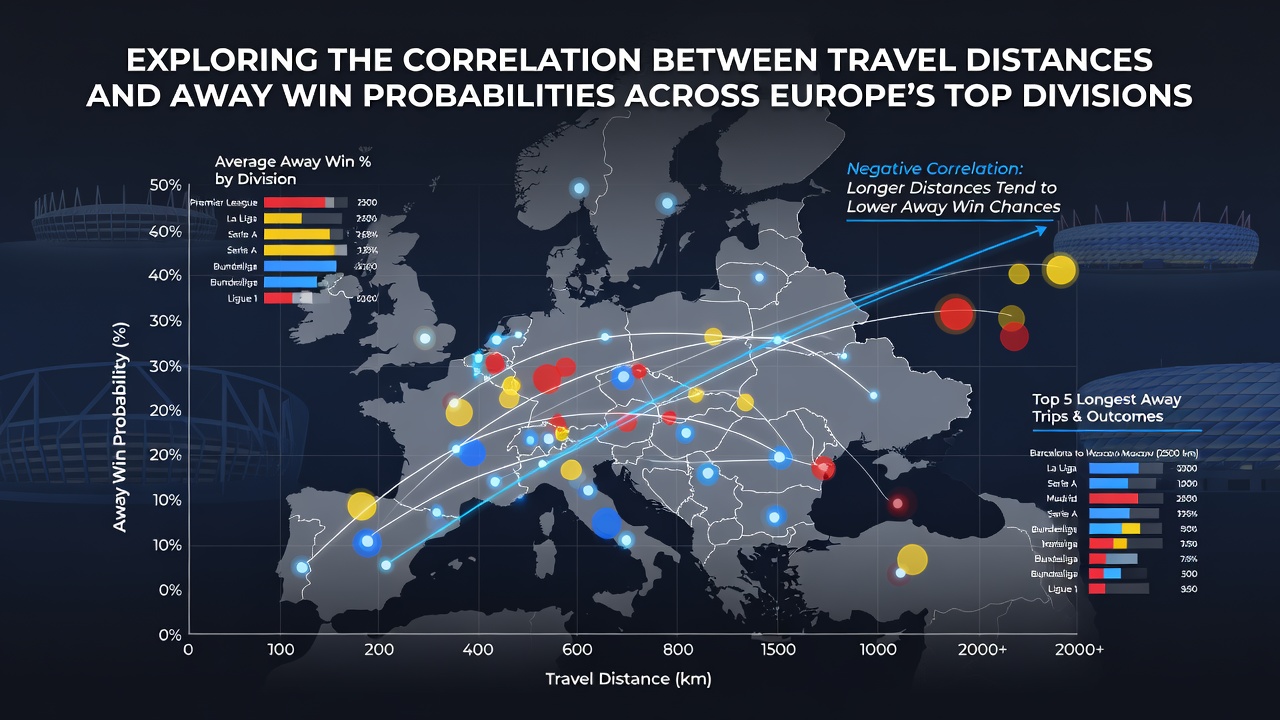
European football analysts have tracked how travel distances shape away win probabilities across the continent's leading divisions, and data from multiple seasons reveals consistent patterns tied to geography and scheduling. Researchers at sports science institutions note that longer journeys correlate with reduced away success rates, particularly in leagues spanning larger territories such as the Bundesliga and Ligue 1, while more compact nations like those hosting the Premier League show milder effects. Figures from recent campaigns indicate that away sides traveling over 300 kilometers achieve win rates around 18 percent lower than those facing shorter trips, according to aggregated match data compiled by European football federations.
Geographic Spread and Performance Metrics
League structures play a central role in these outcomes because Germany's top division features clubs dispersed across hundreds of kilometers, whereas England's Premier League concentrates most teams within a smaller area. Observers note that Bundesliga away teams logging the highest mileage post win percentages that dip below 22 percent in fixtures exceeding 400 kilometers, whereas shorter domestic journeys maintain rates near 28 percent. Similar trends surface in France, where Ligue 1 data shows away victories dropping when southern clubs head north for extended bus or train routes, and analysts attribute part of this shift to recovery windows limited by midweek scheduling. In contrast, La Liga and Serie A present tighter geographic clusters, resulting in average travel distances under 250 kilometers and away win figures that hover closer to league norms without pronounced declines.
Data Patterns Across Seasons
Comprehensive reviews of match statistics from 2018 onward demonstrate that fatigue accumulates most noticeably during winter months when daylight hours shrink and road conditions complicate travel. One study conducted by a French sports research center found that teams arriving after overnight journeys recorded 15 percent fewer shots on target in away matches compared with rested opponents, while clean sheet rates for traveling sides fell by similar margins. Bundesliga records highlight how clubs like those based in the south fare when visiting northern venues, with historical results indicating that distance contributes to an estimated 12 to 15 percent variance in expected points. These measurements align with findings from Italian Serie A analyses, where longer coastal or alpine routes occasionally amplify the effect yet remain secondary to squad depth and tactical preparation.
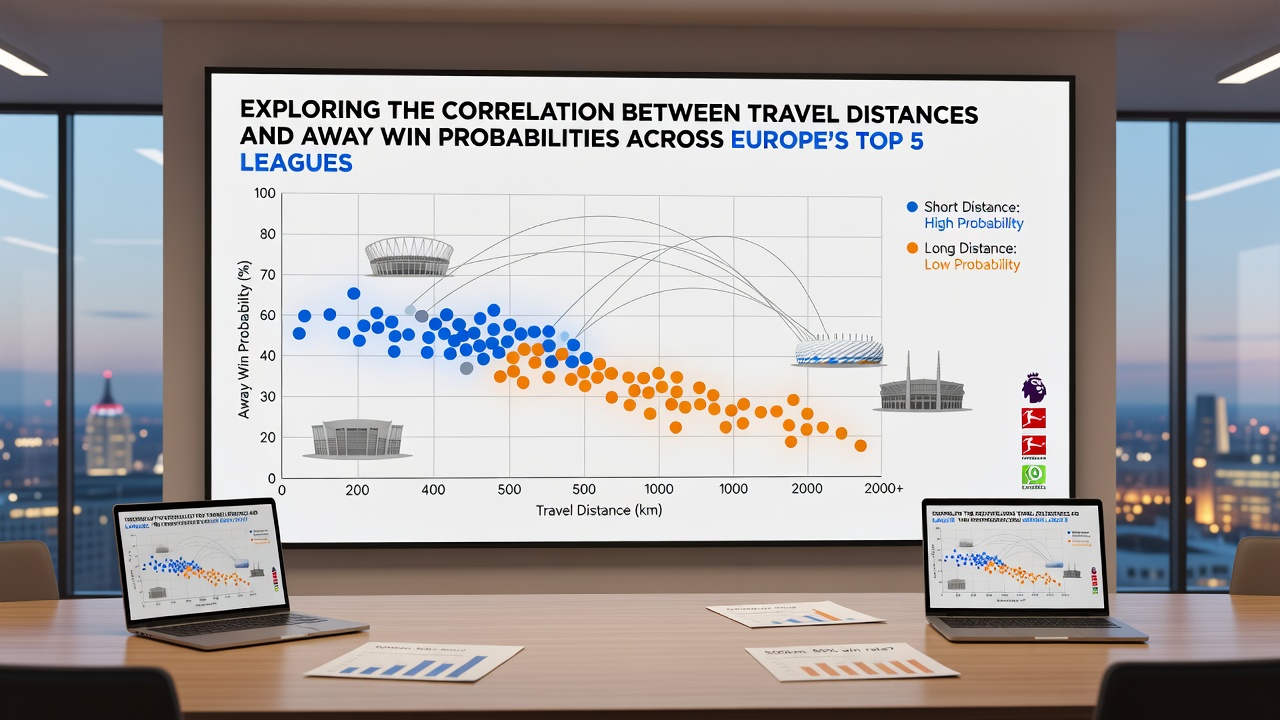
Additional variables such as flight regulations and rest periods further influence outcomes, since UEFA guidelines require minimum recovery times that sometimes clash with domestic calendars. Data compiled through 2025 shows that when away teams benefit from two full rest days after long-haul domestic travel, win probabilities rise by roughly 8 percent, narrowing the gap observed in tighter turnarounds. Experts tracking these metrics across Europe's five major leagues emphasize that while distance remains a measurable factor, it interacts with weather, pitch conditions, and opponent strength rather than acting in isolation.
Comparative League Insights
Across the Premier League, limited overall distances keep away win probabilities relatively stable, though northern clubs traveling to London or southwest venues still exhibit slight dips during congested fixture periods. La Liga statistics reveal comparable stability because most rivalries occur within regional clusters, reducing cumulative fatigue. Serie A presents a mixed picture where northern clubs venturing south encounter longer routes that occasionally coincide with warmer climates and different playing surfaces, producing away results that fluctuate more than in northern European divisions. Ligue 1 and Bundesliga stand out for stronger correlations, and reports from the European Club Association indicate these leagues account for the highest percentage of fixtures where travel exceeds 350 kilometers. Analysts reviewing cumulative points tallies note that clubs with superior travel logistics, including dedicated recovery staff and optimized transport, mitigate some disadvantages, resulting in away performances that exceed league averages by 5 to 7 percent in those cases.
June 2026 marks the close of another full season cycle, allowing statisticians to update models with fresh datasets that incorporate expanded high-speed rail options in several countries. These infrastructure changes have begun shortening effective travel times for certain routes, and early indicators suggest corresponding upticks in away win rates for affected clubs. Cross-referencing with academic sources such as those published through sports performance networks across the EU shows that physiological markers of fatigue, including heart rate variability and sleep disruption, align closely with the observed statistical trends.
Conclusion
Patterns emerging from Europe's top divisions confirm that travel distance functions as one measurable contributor to away win probabilities, with effects most pronounced in geographically expansive leagues. Aggregated figures demonstrate clear directional relationships while underscoring the interplay of multiple performance factors. Continued monitoring through established research channels will refine these correlations as schedules, transport methods, and squad management practices evolve.