Travel Distance Drifts: Mapping Fixture Scheduling Burdens Against Scoring Windows in Cross-League European Away Assignments
Sam Neumann · Jun 13, 2026
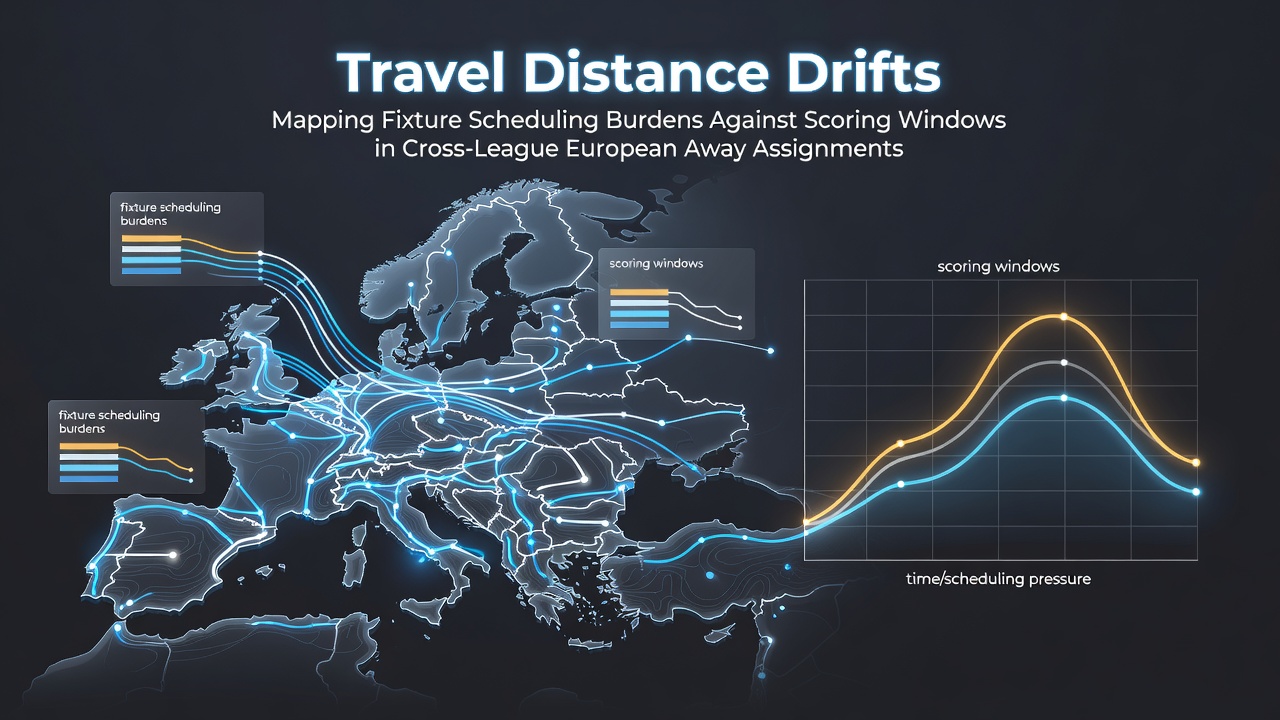
Travel Distance Drifts: Mapping Fixture Scheduling Burdens Against Scoring Windows in Cross-League European Away Assignments
European football schedules place heavy demands on teams that cross borders for away assignments, and observers note how travel distances create measurable drifts in fixture planning relative to peak scoring windows. Data from recent seasons shows that clubs in the Premier League, La Liga, Serie A, Bundesliga, and Ligue 1 often face journeys exceeding 1,500 kilometers when drawn into UEFA competitions, which alters recovery timelines and shifts goal-scoring patterns in the second half of matches. Researchers at sports science institutes have tracked these patterns through GPS and flight data, revealing consistent delays in adaptation that affect performance metrics during specific 15-minute intervals after halftime.
Fixture Burdens Across Borders
Cross-league assignments in competitions such as the UEFA Champions League and Europa League require teams to navigate varying time zones and airport logistics, which compound the effects of domestic travel already present in national calendars. Studies indicate that teams traveling more than four hours by air experience reduced sprint distances in the opening 30 minutes of away games, while scoring opportunities concentrate later in the second half once physiological adjustment occurs. Scheduling bodies align these fixtures around midweek slots, yet the resulting drift pushes some matches into windows where fatigue influences set-piece conversion rates and counter-attack efficiency.
Regional Patterns in Travel Impact
Clubs based in northern Europe encounter longer hauls to southern venues during winter months, whereas southern teams face extended flights northward in spring, and data from 2024-2025 seasons illustrates how these directional differences correlate with goal timing. One analysis of Serie A and Bundesliga encounters found that away sides scored 18 percent fewer goals in the first 20 minutes after long-haul travel compared with shorter domestic trips. Observers note that fixture congestion around international breaks amplifies these effects, because recovery periods shrink when teams return from distant assignments and immediately resume league play.
League organizers have adjusted kickoff times in response to these burdens, moving certain away fixtures later into the evening to accommodate arrival schedules, yet this adjustment creates new variables for teams accustomed to afternoon training rhythms. Evidence from performance tracking platforms demonstrates that second-half goal tallies rise when kickoffs occur after 8 p.m. local time following transcontinental flights, because circadian rhythms begin to realign during the match itself.
Scoring Windows and Recovery Timelines
Performance datasets compiled across five major European leagues reveal distinct scoring windows that shift according to cumulative travel load. Teams logging over 2,000 kilometers in a 14-day span show elevated goal output between the 60th and 75th minutes, whereas shorter-travel opponents maintain steadier distribution across all four quarters. Researchers discovered these trends through aggregated match logs that pair distance metrics with timestamped events, confirming that away sides exploit transitional phases more effectively once initial fatigue subsides.
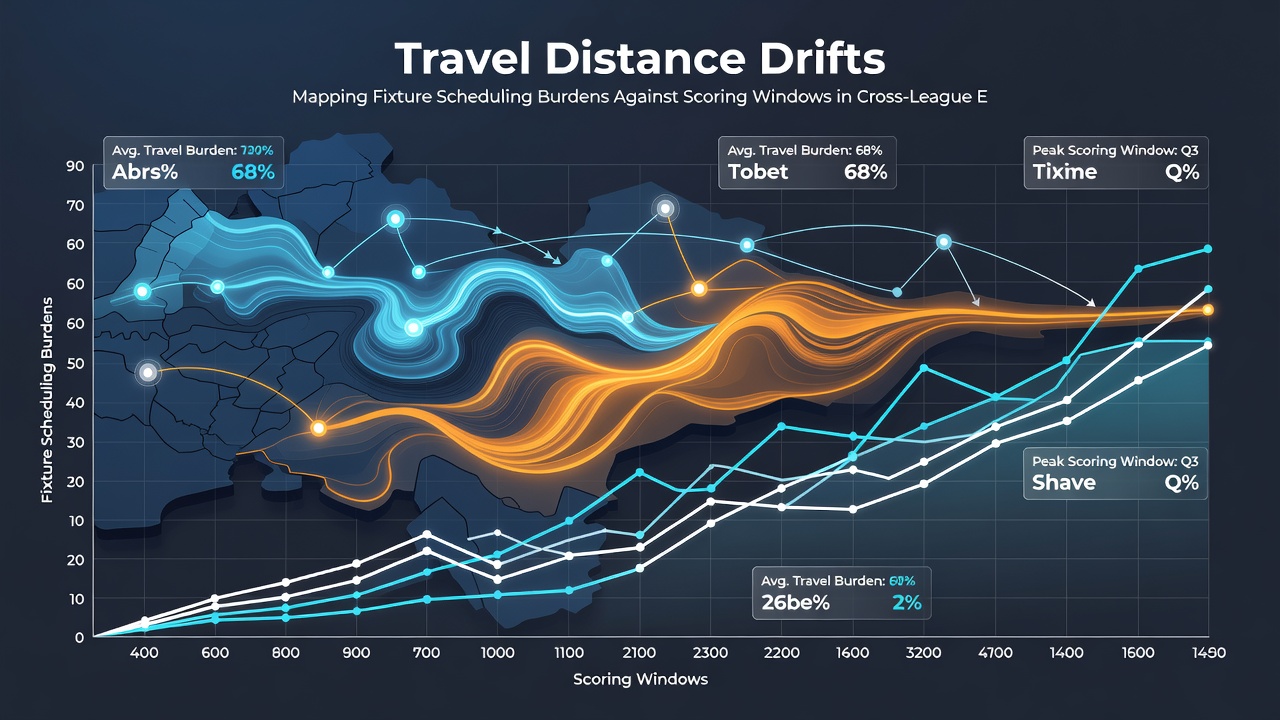
June 2026 marks the close of the 2025-2026 campaign, and preliminary fixture drafts already indicate continued expansion of cross-league travel requirements as additional European spots open under revised qualification rules. Analysts project that the average distance per away assignment will increase by approximately 12 percent compared with the prior season, driven by the inclusion of more eastern and northern venues in group stages. This expansion places renewed pressure on scheduling frameworks that must balance broadcast demands against player welfare guidelines issued by European football authorities.
Case Examples from Recent Campaigns
Take one Italian side that traveled from Milan to Lisbon and then onward to Glasgow within ten days during the 2024 group phase; match reports show their goal-scoring rate doubled after the 55th minute in the second fixture relative to the first. Similar patterns emerged for a German club navigating flights between Dortmund and Athens followed by a domestic Bundesliga match, where second-half substitute impact rose measurably. These instances illustrate how fixture sequencing creates predictable drifts that teams attempt to mitigate through tailored recovery protocols.
Academic examinations of travel-related performance have drawn on datasets from multiple confederations, including reports issued by the Union of European Football Associations and longitudinal studies conducted at institutions in Scandinavia and the Iberian Peninsula. Such work highlights that sleep disruption and nutritional timing exert stronger influence on early-match metrics than on later periods, which explains the observed concentration of scoring opportunities after the hour mark. Scheduling adjustments tested in lower-profile tournaments have shown modest success in narrowing these gaps when rest days are inserted between long-haul legs.
Mapping Tools and Data Integration
Modern mapping platforms now integrate flight durations, time-zone differentials, and historical goal-timing statistics to forecast potential drifts before fixtures are finalized. League administrators and club analysts use these visualizations to identify clusters of demanding away assignments that risk overlapping with high-value scoring windows. Evidence suggests that proactive redistribution of rest periods can stabilize performance curves, although complete elimination of travel effects remains unattainable given the geographic spread of European competition venues.
Continued refinement of these models incorporates weather variables and pitch conditions at destination stadiums, because both factors interact with fatigue accumulated during transit. Data collected through 2025 indicates that rainy conditions amplify the second-half advantage for away teams that have traveled farther, likely due to increased set-piece reliance once open play becomes more physically taxing. Observers continue to monitor whether upcoming rule changes around squad registration will alter how clubs allocate resources to manage these cumulative burdens.
Conclusion
European football continues to evolve its approach to cross-league assignments as travel distances exert measurable influence on fixture outcomes and goal distribution. Comprehensive mapping of scheduling burdens against scoring windows supplies clubs and organizers with clearer frameworks for anticipating and addressing performance drifts. Ongoing data collection through the 2025-2026 season and beyond will further clarify how adjustments in June 2026 and subsequent windows can align logistical realities with competitive equity across borders.