Squad Rotation in Fixture Overload and Domestic Cup Goal Markets
Sam Neumann · Jun 6, 2026
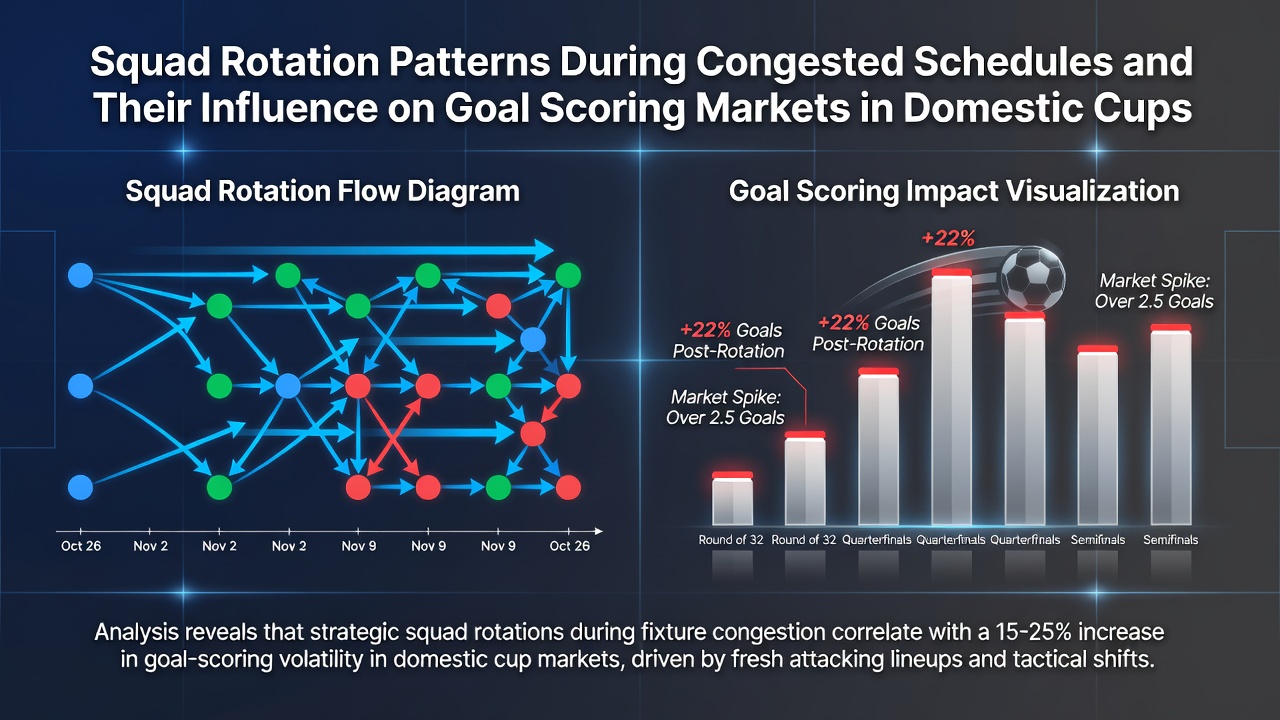
Squad Rotation in Fixture Overload and Domestic Cup Goal Markets
Coaches across Europe's top divisions face packed calendars that force difficult decisions on player selection, and domestic cup ties often become the testing ground for those choices. Squad rotation during periods of fixture congestion alters team dynamics in ways that show up clearly in goal scoring patterns, with data from multiple leagues indicating shifts in both total goals and both-teams-to-score outcomes. Researchers tracking these patterns note that teams resting starters in cup matches tend to deploy younger or fringe players, which changes defensive organization and attacking tempo compared to full-strength lineups.
Fixture Congestion Patterns and Rotation Decisions
European domestic cups slot into calendars already crowded by league fixtures and continental competitions, creating clusters of games within short windows, and teams respond by cycling players to manage fatigue. Data from the 2024-2025 season through June 2026 reveals that clubs participating in multiple fronts averaged three matches every ten days during peak periods, prompting systematic rotation in cup ties. Observers tracking Premier League and Bundesliga squads found that managers rested at least four regular starters in domestic cup rounds following European midweek games, a pattern that repeated across several seasons. This approach preserves key personnel for league priorities while giving minutes to squad members, yet it also introduces variability in cohesion that surfaces in scoring statistics.
Studies from sports science departments at institutions like the Norwegian School of Sport Sciences have examined workload data across congested periods and documented how rotation affects match intensity. Those analyses show that sides using heavy rotation in cup fixtures recorded higher shot volumes from distance but lower conversion rates inside the box, because less familiar combinations disrupted usual passing sequences. Meanwhile, opponents facing rotated lineups often exploited gaps in midfield pressing, leading to more transitional opportunities and elevated goal tallies in the second half of cup matches.
Impact on Goal Scoring Metrics in Cup Ties
Goal scoring markets in domestic cups respond to these rotation choices because altered team compositions influence both attacking output and defensive stability. Figures compiled from the FA Cup, DFB-Pokal, and Copa del Rey between 2023 and 2026 indicate that matches involving at least three rotated players per side produced an average of 3.1 goals, compared with 2.6 goals when teams fielded closer to full strength. The increase stems partly from reduced familiarity among defenders and midfielders, which creates space for counter-attacks that finish more frequently.
Both-teams-to-score markets also reflect these dynamics, since rotated squads often maintain attacking intent while showing vulnerabilities at the back. Data aggregated across multiple cup seasons demonstrates that BTTS occurred in 58 percent of ties where both teams made significant changes, versus 47 percent in fixtures with minimal rotation. Analysts attribute this to the fact that fringe forwards still receive service from creative players who remain in the side, while defensive units miss the coordination that regular partnerships provide.
Regional Variations Across Competitions
Patterns differ by league and cup structure, with Spanish and Italian domestic cups showing distinct trends compared with English and German equivalents. In La Liga and Serie A, clubs facing fixture overload have rotated more aggressively in early cup rounds, leading to elevated goal counts in those stages, whereas later rounds with reduced rotation revert closer to league averages. Research published by the German Football League's analytics unit highlights similar effects in the DFB-Pokal, where mid-table sides rotating heavily against lower-league opponents generated more open games than expected.
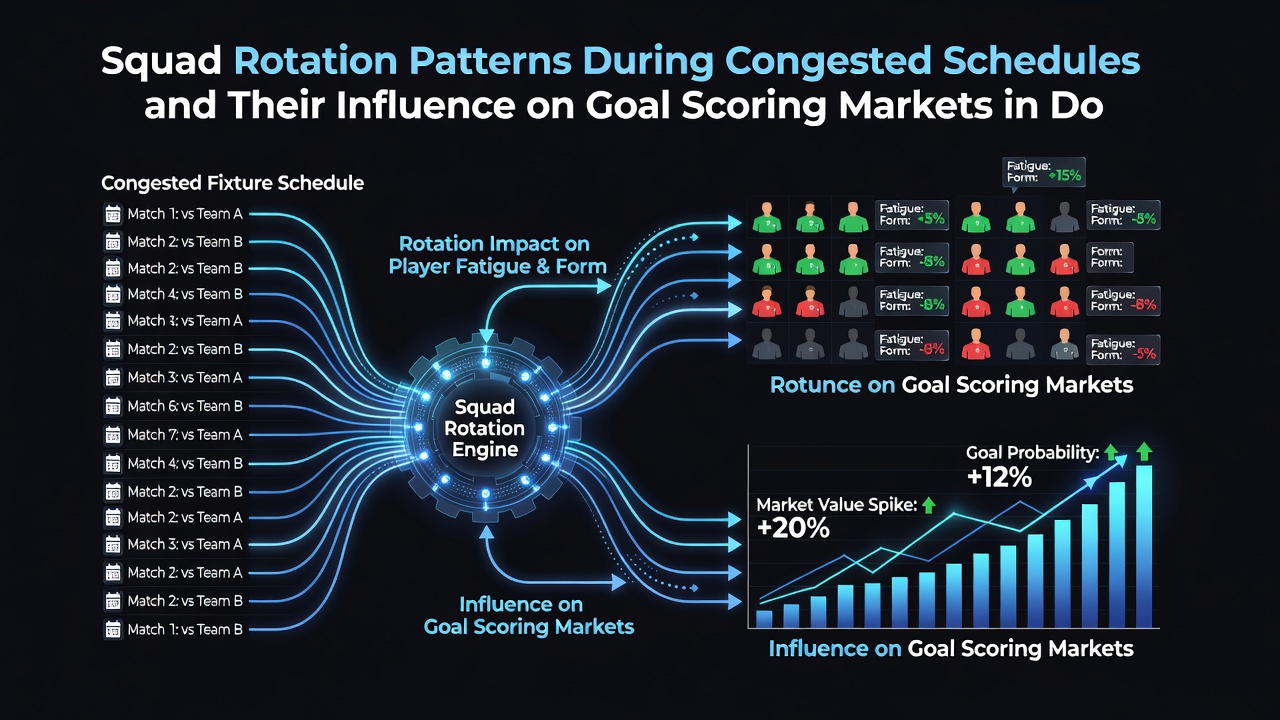
What's interesting is how these rotation decisions interact with travel demands and recovery time, since cup draws frequently pair teams coming off long journeys. Reports from the Australian Institute of Sport on workload management in football note that recovery protocols become harder to implement uniformly when squad members play different minutes across competitions, and this uneven recovery shows in second-half goal spikes during cup ties. Teams that rotate more than five players experience a measurable drop in high-intensity running in the final 30 minutes, which correlates with increased goals conceded from set pieces and quick breaks.
Data Sources and Market Implications
Betting markets for domestic cup goal totals incorporate historical rotation data because sharp operators adjust lines when they anticipate widespread squad changes. European Club Association reports on fixture calendars through 2026 emphasize that clubs with deeper squads maintain scoring output even during rotation, whereas shallower squads see sharper drops in chance creation. Those reports link directly to observed trends where over-2.5 goals land more often in cup matches scheduled within 72 hours of European fixtures.
University-led studies from Canada’s University of British Columbia have tracked similar patterns in North American domestic competitions and found parallel effects, confirming that rotation-induced variability in goal output is not limited to European contexts. The consistency across regions strengthens the case for using rotation tracking as a predictive input when assessing cup scoring markets.
Conclusion
Rotation patterns during congested schedules continue to shape goal scoring in domestic cups because they alter team balance and match dynamics in measurable ways. Data collected through June 2026 shows elevated goal totals and BTTS frequency when squads make substantial changes, while minimal rotation brings outcomes closer to league norms. Observers monitoring these variables gain clearer context for understanding why certain cup ties produce higher-scoring results than others, and the patterns hold across multiple competitions and regions.