Schedule Density Shifts: Tracking Performance Dips Across Overlapping Club and International Windows
Clara Coleman · Aug 10, 2026
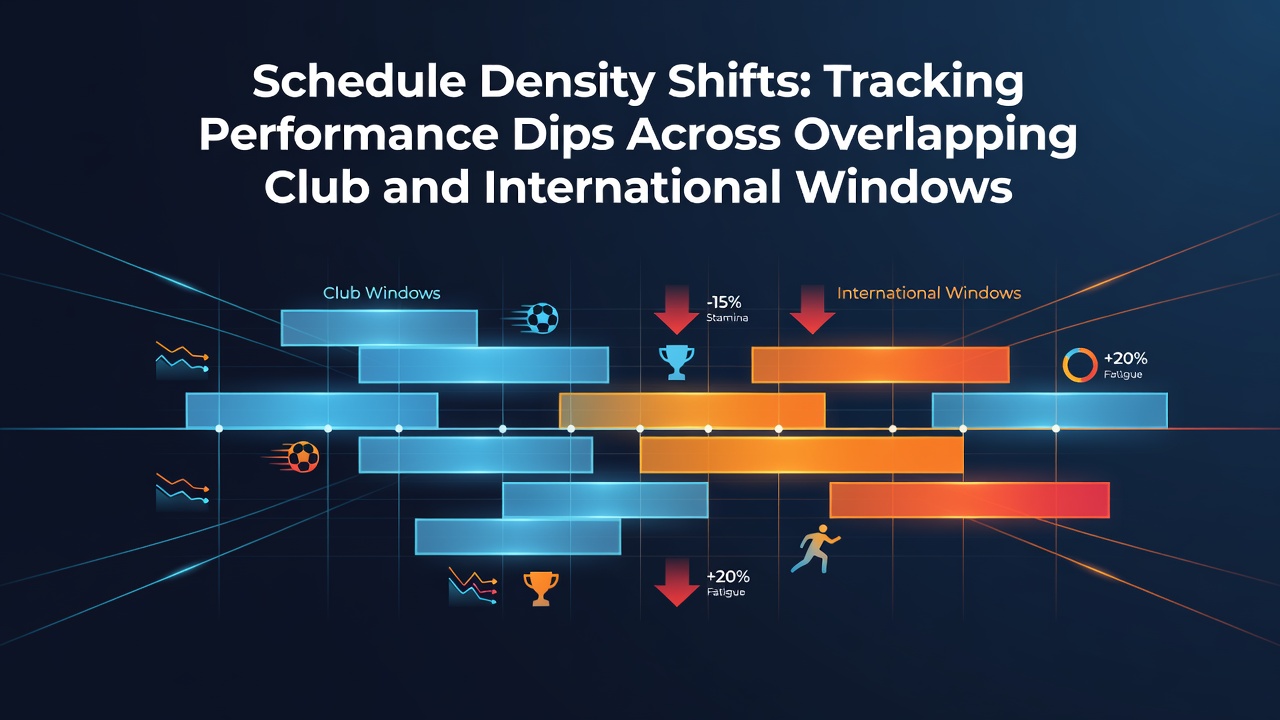
Schedule Density Shifts: Tracking Performance Dips Across Overlapping Club and International Windows
Professional football calendars pack multiple club fixtures alongside FIFA-designated international windows, creating periods where squads must balance domestic league demands with national team call-ups. Researchers tracking these overlaps note measurable declines in player output during and immediately after such stretches, with metrics such as distance covered, sprint frequency, and passing accuracy showing consistent drops according to workload studies compiled by European club associations.
Data from the 2024-2025 season illustrates the pattern clearly. Clubs releasing players for September and October windows often saw squad rotation struggles in the following midweek rounds, while teams without international representatives maintained steadier results through the same stretch. Observers tracking these trends point to cumulative fatigue as a primary driver rather than any single factor, since recovery windows shrink when travel and match intensity rise simultaneously.
Measuring the Overlap Effects
Performance tracking platforms record heart-rate variability and neuromuscular fatigue scores that spike during congested blocks. Leagues across Europe report higher rates of soft-tissue injuries in the seven days following international breaks, with hamstring strains appearing most frequently in data sets covering the Premier League, Bundesliga, and Serie A. A study released by the University of Groningen sports science group found that players logging over 300 minutes across club and national fixtures within a 14-day span experienced a 12 percent reduction in high-intensity running compared with baseline averages.
August 2026 looms as another dense period once the expanded 2026 FIFA World Cup concludes in July. Clubs will welcome returning players who have completed extended tournament schedules, then face early domestic rounds plus continental qualifiers that begin shortly afterward. Figures compiled by the European Club Association indicate that post-tournament recovery protocols typically require three to four weeks before full match sharpness returns, yet fixture lists rarely accommodate such timelines.
League-Specific Patterns
English Premier League records reveal that teams with four or more players on international duty during October windows post lower expected goal values in their next three matches. Bundesliga clubs show similar dips in pass completion rates during November blocks when several Bundesliga sides release starters for World Cup qualifiers. Serie A data highlights elevated substitution rates in the second half of fixtures that follow international weekends, suggesting coaches anticipate earlier fatigue onset among returning personnel.
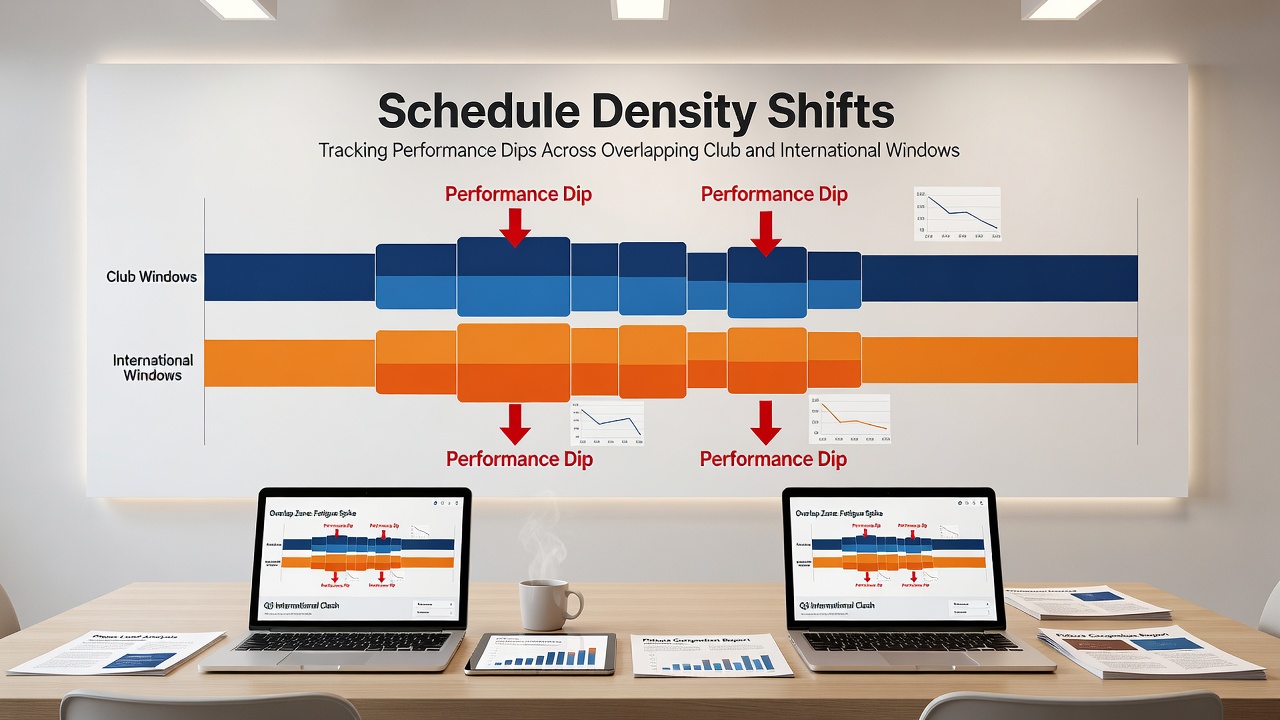
One analysis from the German Football League examined 180 players across two seasons and found that those participating in both club and national team matches within five days recorded 8 percent fewer successful dribbles and 15 percent more turnovers than peers who remained with their clubs. Australian Institute of Sport researchers cross-referenced these findings with GPS data from Asian confederation qualifiers and reached comparable conclusions about workload thresholds.
Recovery and Monitoring Approaches
Clubs now deploy standardized protocols that include sleep tracking, nutrition timing, and individualized training loads during international absences. National federations have begun sharing medical reports with clubs under FIFA guidelines introduced in 2023, allowing medical staff to adjust post-window schedules before symptoms appear. Teams that integrate these shared datasets report fewer late-season drop-offs compared with clubs relying solely on internal monitoring.
Travel logistics add another layer. Players crossing time zones for South American or Asian qualifiers often require 48 to 72 hours to restore circadian rhythms, yet some must report for club training within 24 hours of return. Medical staff at several top European sides have documented elevated creatine kinase levels in these cases, indicating muscle damage that extends beyond normal match demands.
Broader Calendar Pressures
The 2026-2027 season will test these systems further when expanded club competitions run parallel to new international qualification cycles. Scheduling bodies have introduced limited rest mandates, yet data from prior cycles shows that rest alone does not fully offset the cumulative effects of repeated high-intensity exposures. Clubs with deeper squads maintain more consistent outputs because they can rotate personnel earlier, whereas sides with narrower options experience sharper declines once key players accumulate extra minutes.
Conclusion
Schedule density shifts continue to shape performance trajectories across major leagues, with overlapping club and international commitments producing measurable dips in physical and technical metrics. Ongoing data collection from federations, clubs, and independent research groups provides clearer visibility into these patterns, enabling targeted adjustments even as calendars grow more crowded heading into 2026 and beyond.