International Breaks Reshaping League Dynamics: How National Team Duties Create Opportunities in Post-Break Fixtures for Informed Punters
Sam Neumann · May 16, 2026
International Breaks Reshaping League Dynamics: How National Team Duties Create Opportunities in Post-Break Fixtures for Informed Punters
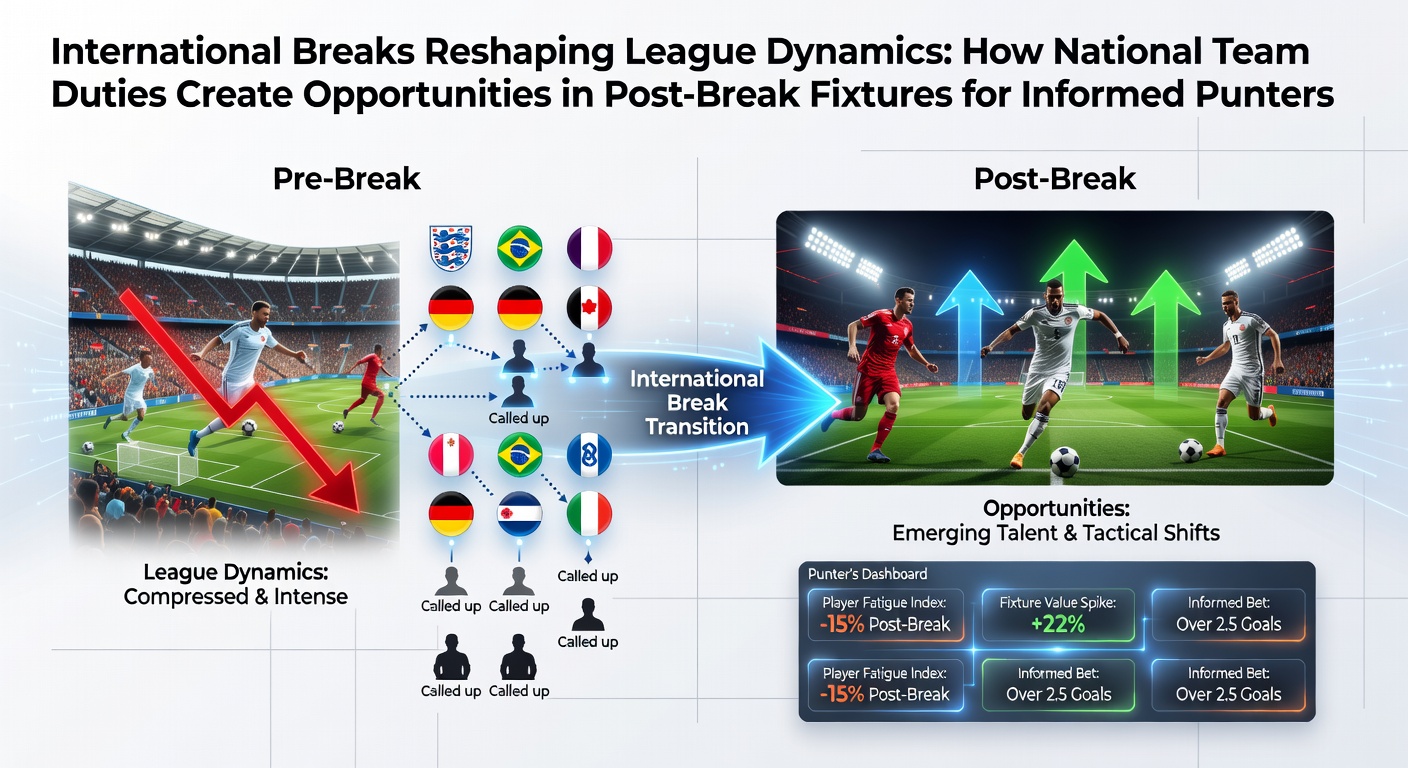
International breaks interrupt domestic seasons at regular intervals and they leave measurable marks on league results once clubs resume play. Data from major European competitions shows that teams with heavy international representation often experience altered performance levels in the first two matches after players return, with patterns emerging around goal tallies, set-piece success, and points distribution that informed observers track closely.
Performance Patterns After International Windows
Clubs release players for national team matches and then reintegrate them under tight schedules that combine travel, recovery, and tactical adjustments. Observers note that squads missing key personnel for up to two weeks frequently show reduced cohesion upon return, especially in midfield control and defensive organisation. Figures compiled across the Premier League and Bundesliga reveal that sides with four or more players on international duty record lower pass completion rates in their immediate post-break fixtures compared with their seasonal averages, while opponents who stayed domestic often capitalise on early transitions.
These shifts create distinct betting landscapes because market prices do not always adjust quickly enough to account for the temporary imbalance. Researchers tracking 2024-25 seasons found that underdog results increase by approximately 12 percent in the round immediately following a major international window, with the effect most pronounced when the break coincides with long-haul travel for players from South American or African nations.
Squad Rotation and Tactical Adjustments
Managers respond to post-break fixture lists by rotating personnel or altering formations to manage fatigue. Teams that rely on star players who accumulated high minutes with their countries often introduce fresh legs earlier, which changes pressing intensity and attacking width. One study of Ligue 1 matches following September and November windows indicated that teams employing three or more substitutions within the first 60 minutes recorded higher expected goal values in the final 30 minutes than their pre-break norms.
Formation changes also surface more frequently. Coaches shift from high lines to compact mid-blocks when several defenders return jet-lagged, and these adjustments produce measurable effects on corner counts and shot locations. Punters monitoring line-ups released 90 minutes before kick-off can identify value in markets tied to set pieces or total shots, particularly when the home side features multiple rested domestic players.
Statistical Edges in Specific Leagues
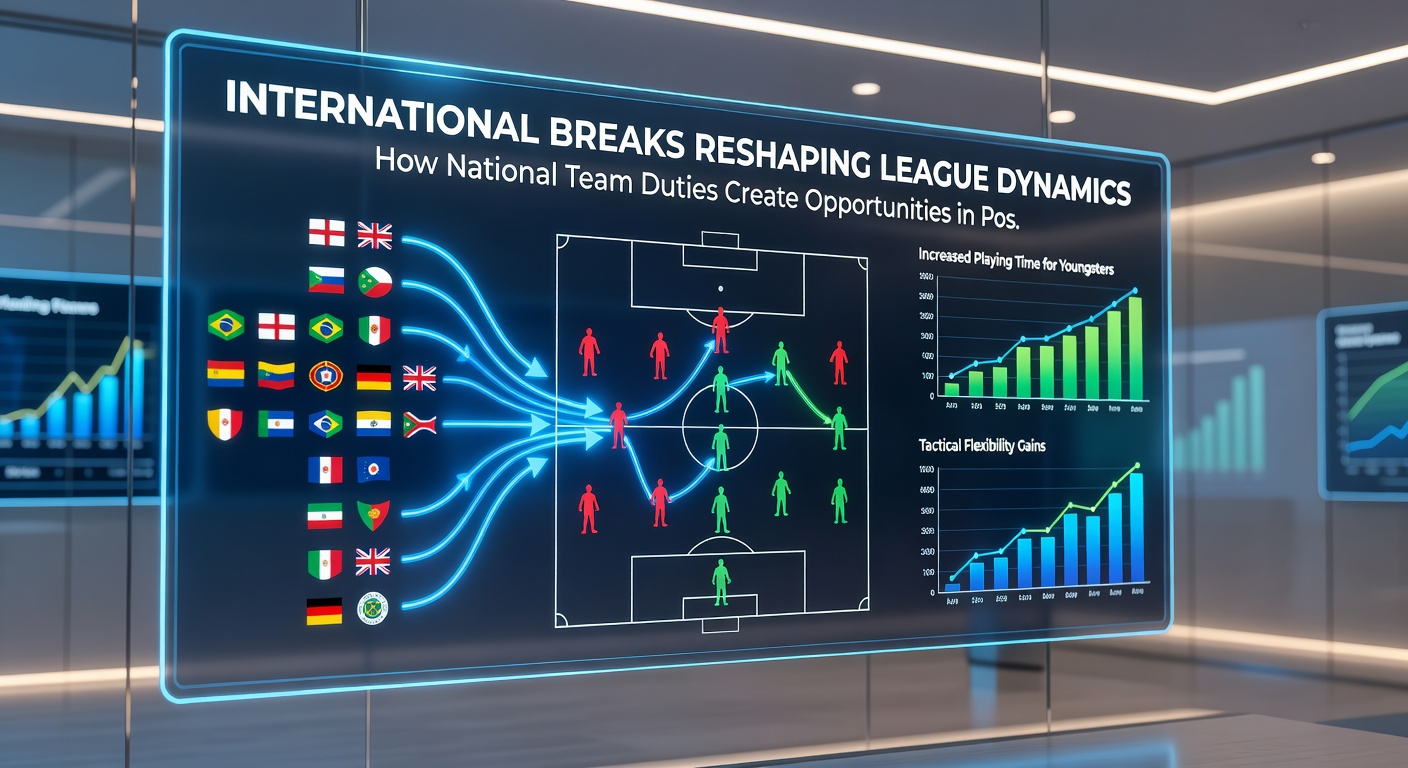
Each major league exhibits unique post-break signatures. Bundesliga clubs, with their emphasis on high pressing, show elevated foul rates in the first half after international pauses because returning players require time to recalibrate positioning. Serie A sides, by contrast, display increased clean-sheet percentages when they face opponents who lost several starters to national duty, reflecting a league-wide preference for cautious build-up that punishes disorganised attacks.
La Liga data from the 2023-24 campaign highlighted a spike in draws during the first post-break weekend, attributed to cautious approaches from both teams. Those patterns repeated in early 2025 windows and they continue to influence over-under markets, with totals falling below seasonal averages in roughly 58 percent of such matches according to CIES Football Observatory tracking.
Market Timing and Informed Approaches
Betting exchanges and bookmakers adjust odds rapidly once line-ups appear, yet earlier windows often present value before public information fully incorporates rotation risks. Observers who cross-reference national team minutes with domestic travel schedules identify edges in player prop markets, particularly around shots on target or assists for midfielders returning from lighter national duty. European Club Association reports note that clubs with greater squad depth maintain closer to baseline performance levels, while thinner squads experience steeper dips that markets occasionally undervalue.
The calendar leading into May 2026 includes additional FIFA windows that overlap with domestic title races and relegation battles, amplifying the potential impact of accumulated fatigue on late-season results. Teams contesting multiple fronts face compounded recovery challenges, and historical patterns suggest these pressures concentrate in specific result types rather than spreading evenly.
Conclusion
International breaks continue to reshape league dynamics through predictable performance fluctuations that attentive analysts quantify and exploit. By focusing on squad composition, travel distances, and historical post-window trends across individual competitions, informed observers identify consistent edges in both pre-match and in-play markets without relying on subjective narratives. These patterns remain consistent enough to warrant systematic tracking as the 2025-26 season progresses toward its final international windows.