International Breaks and the Shifting Patterns in Club Form and Betting Markets
Klara Neumann · Jul 18, 2026
International Breaks and the Shifting Patterns in Club Form and Betting Markets
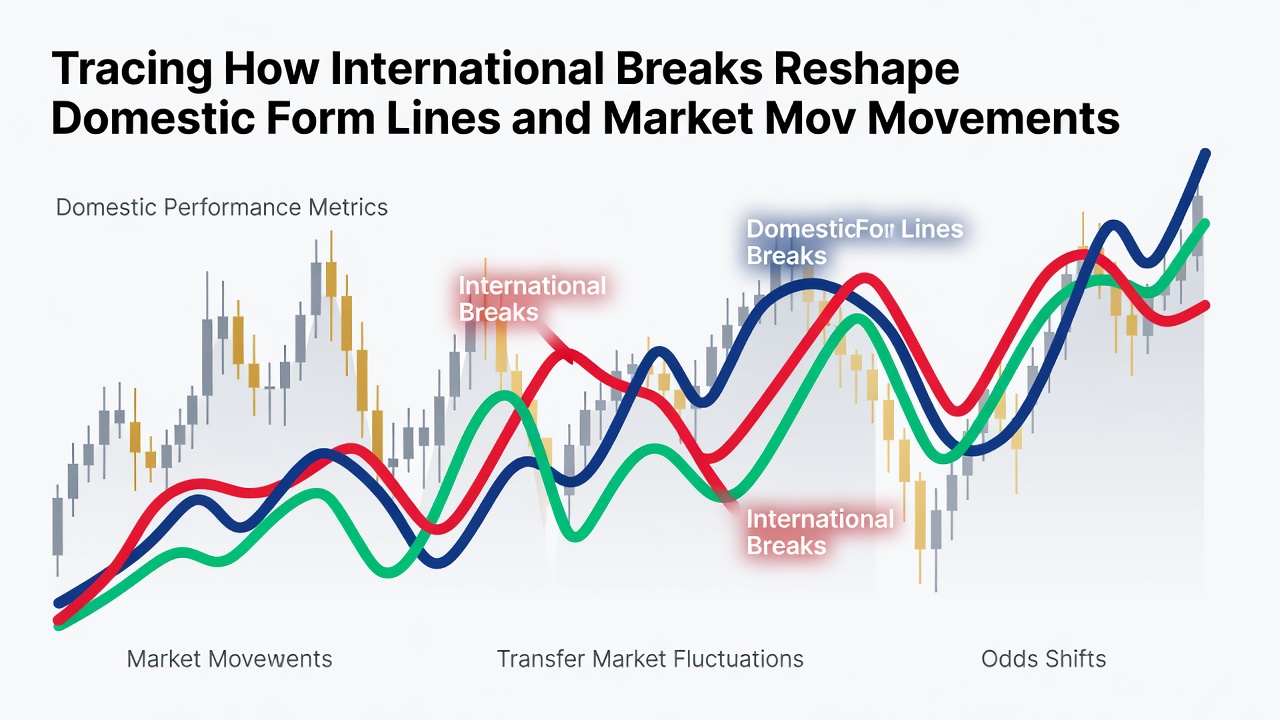
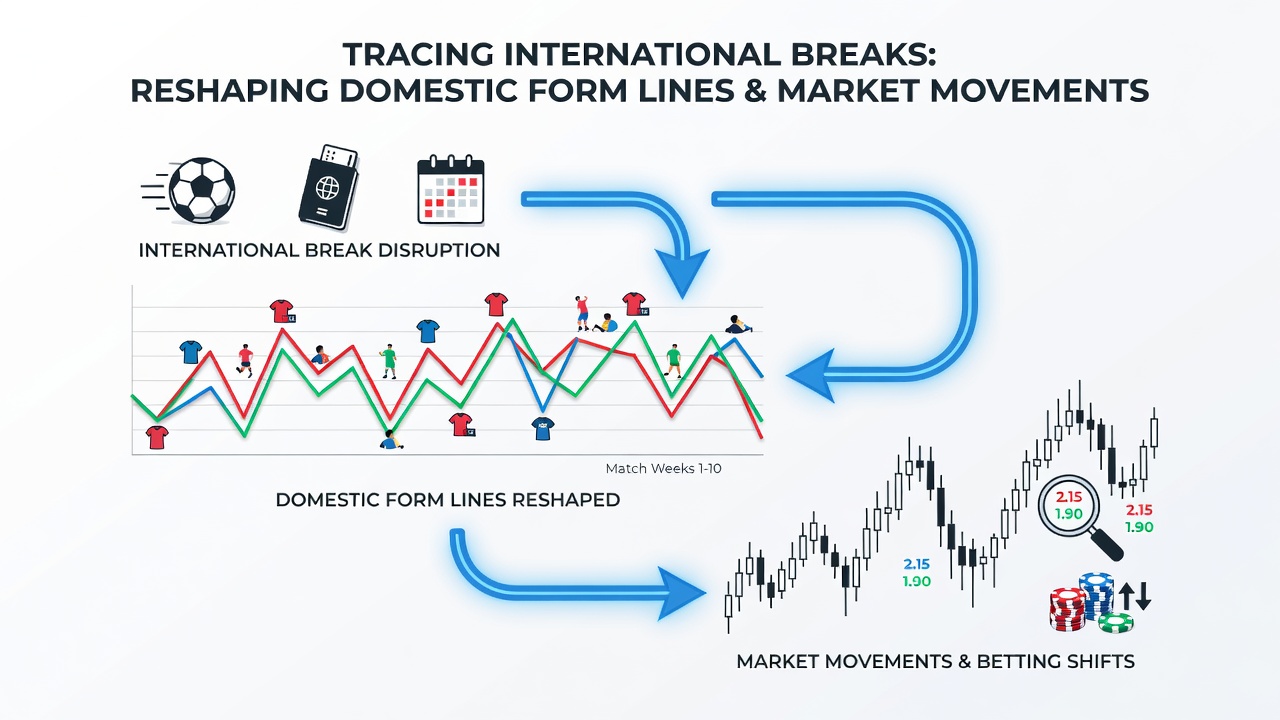
Observers note that international breaks create distinct patterns in domestic leagues, where player absences and returns alter team performances and influence betting market movements across major competitions. Data from multiple seasons shows clubs often experience dips or spikes in results immediately after these windows, while odds compilers adjust lines based on historical trends and squad availability.Player Rotation and Fitness Metrics During Windows
Research from sports science institutions indicates that players traveling for national team commitments cover significant distances and face varying recovery timelines, which then feeds into club schedules upon their return. Studies tracking GPS data reveal average increases in workload during breaks, particularly for those involved in multiple qualifiers or friendlies, and this workload correlates with measurable drops in sprint performance in the first two domestic matches afterward.
European leagues demonstrate these effects most clearly because top clubs release large numbers of players simultaneously, whereas lower-league sides sometimes benefit from full squads during the same periods. Figures compiled by league analysts show home teams without international absentees win at higher rates in the immediate post-break round, a trend that repeats across the Premier League, La Liga, and Serie A seasons from 2022 onward.
Market Adjustments and Line Movements
Betting operators respond to these patterns by shifting opening odds on totals, handicaps, and player props when international windows conclude. Data providers track how bookmakers widen or tighten spreads based on the percentage of a squad away on duty, with markets for both-teams-to-score and over-2.5 goals frequently moving after key injury updates emerge from national camps.
One analysis of 2024-2025 fixtures found that markets for Bundesliga matches following March breaks saw average line movements of 0.25 goals on the over/under compared with standard weeks, reflecting observed changes in match tempo. Similar shifts appear in Ligue 1 and the Scottish Premiership, where fewer teams lose multiple starters yet still show altered attacking outputs.
Regional Variations and Upcoming 2026 Windows
North American and Asian leagues experience different dynamics because their international calendars often align with off-seasons or shorter windows, reducing the immediate impact on domestic form. Australian A-League records show smaller performance variances post-break, partly because fewer players participate in senior national fixtures during peak domestic months.
With the 2026 FIFA World Cup approaching, July 2026 windows will feature extended preparation periods for qualified nations, creating longer absences for club players than typical breaks. Scheduling data indicates several European leagues will resume shortly after these windows, potentially amplifying the usual recovery challenges and prompting earlier market adjustments on season-long markets.
Case Examples from Recent Seasons
Take one Premier League side that lost six players to a September international window in 2023; their next two matches produced below-average expected goals totals according to Opta-derived models, while opponents without such absences maintained steadier outputs. Observers tracking these sequences note similar patterns in Serie A, where mid-table clubs sometimes gain ground during breaks when rivals release star personnel.
Another example comes from the Bundesliga, where a team missing its primary striker for a double-header saw its over-2.5 goals line drop by half a goal in the subsequent domestic fixture, only for the market to correct after two matches once fitness levels stabilized. These adjustments reflect how markets incorporate both short-term and multi-week data points rather than reacting to single fixtures.
Data Sources Informing Current Trends
According to reports from the UEFA player workload study, clubs that manage rotation effectively during breaks maintain closer to baseline performance levels, while those relying on the same core group show greater variance. Separate research from Canadian sports science groups tracking MLS squads post-CONCACAF windows found comparable recovery timelines, suggesting the phenomenon crosses multiple confederations.
Industry data aggregators continue monitoring these cycles ahead of denser 2026 calendars, where overlapping qualifiers and preparation matches may extend the typical disruption window by several days. Teams and markets alike incorporate these historical datasets when preparing lineups and setting prices.
Conclusion
International breaks consistently reshape domestic form trajectories through documented changes in player availability and recovery demands, with betting markets responding through measurable line movements across leagues. As calendars approach the 2026 World Cup cycle, these patterns are expected to intensify in July and surrounding months, prompting continued tracking of workload statistics and squad composition data from multiple regions.