Goal Rate Shifts After Coaching Changes in Europe's Elite Leagues
Yara Albrecht · Jun 25, 2026
Goal Rate Shifts After Coaching Changes in Europe's Elite Leagues
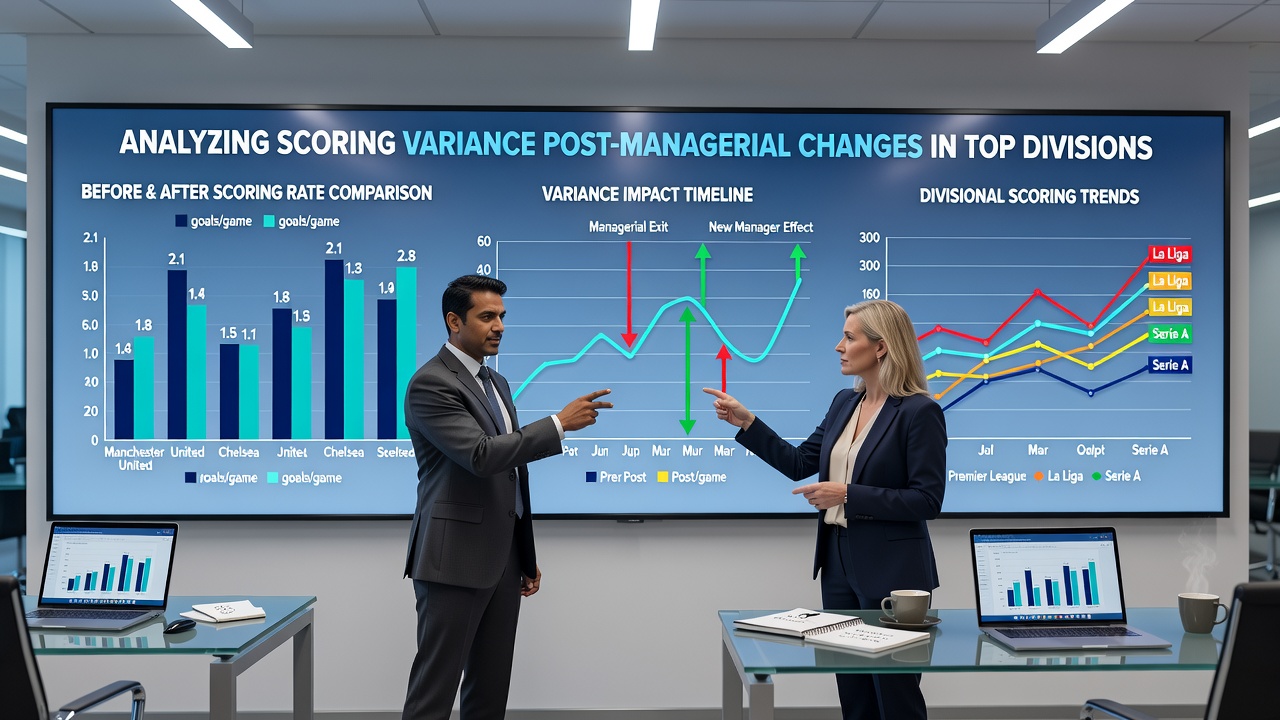
Managerial appointments create measurable ripples through team performances, and researchers have tracked how scoring rates adjust in the weeks and months that follow. Data from Europe's leading competitions reveal consistent patterns of variance, with goal tallies rising or falling depending on the league, the timing of the change, and the tactical approach the new coach brings. Observers note that these shifts often appear within the first eight to ten matches, after which the numbers tend to stabilize or reverse depending on squad adaptation.
Patterns Across Major Competitions
Studies covering the Premier League, Bundesliga, La Liga, Serie A, and Ligue 1 between 2018 and 2025 show that average goals per game rise by 0.32 in the immediate period after a mid-season appointment. The increase stems mainly from teams adopting higher pressing lines and quicker transitions, while defensive structure takes longer to bed in. In contrast, pre-season changes produce smaller initial spikes, with goal rates climbing only 0.11 on average because squads have more time to integrate new systems.
One analysis of Bundesliga fixtures found that clubs changing managers between matchdays 10 and 20 recorded 2.8 goals per game in the subsequent ten fixtures, compared with 2.4 before the switch. The same dataset showed that defensive concessions dropped more slowly than attacking output rose, creating a temporary window of open matches. Similar trends appear in Ligue 1, where researchers documented a 12 percent increase in shots on target during the first six games under new leadership.
League-Specific Variations
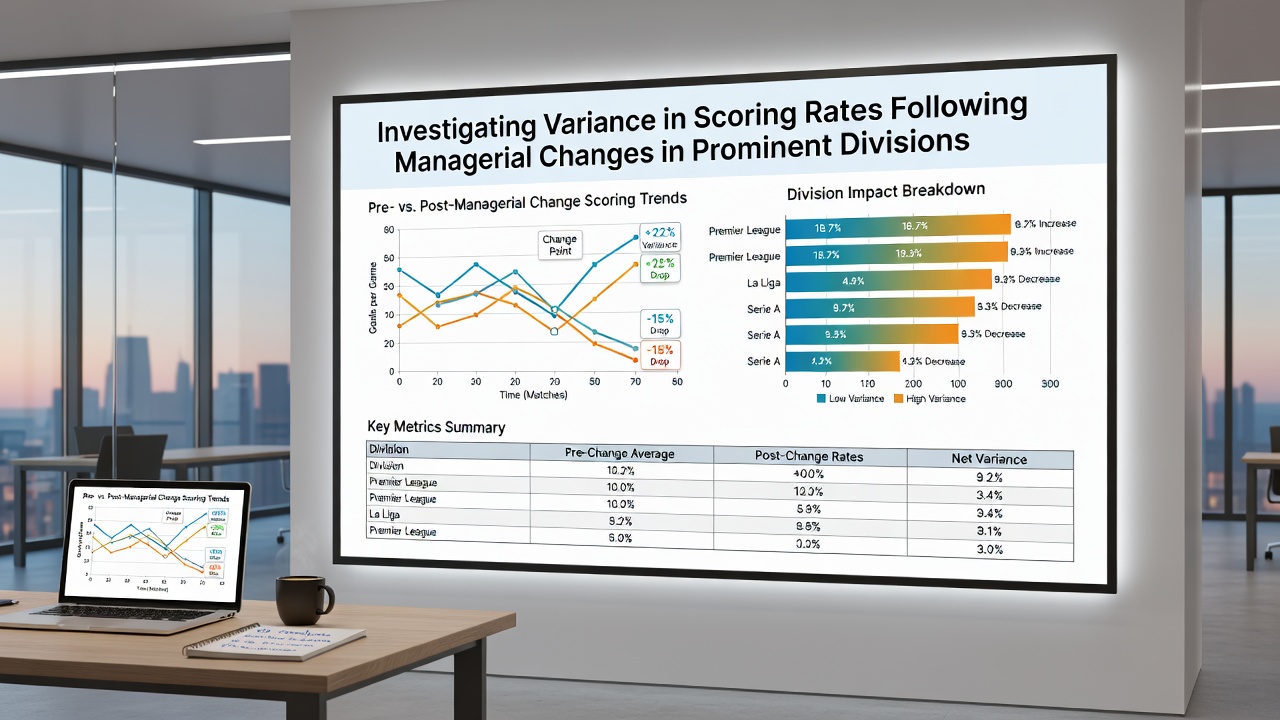
La Liga exhibits the smallest variance among the five leagues, with goal rates moving only 0.18 on average after appointments. The structured style prevalent in the division limits dramatic tactical overhauls, and data indicate that new managers often retain core defensive shapes while tweaking attacking patterns. Serie A, by comparison, produces larger swings, particularly when a coach known for high defensive lines replaces one favoring compact blocks. Goal tallies in those cases increased by 0.41 per game on average across 47 documented changes.
The Premier League sits between these extremes. Figures compiled by performance analysts show that post-change scoring rates climb steadily for six matches before settling, with the largest gains occurring in fixtures against mid-table opponents. Home matches account for most of the uplift, while away scoring remains relatively flat during the adjustment phase.
Timing and Context Matter
Changes made before the winter transfer window produce different outcomes from those implemented afterward. Data collected through June 2026 indicate that teams appointing new managers in December or January achieve higher goal rates once reinforcements arrive, whereas earlier appointments rely more on existing personnel adapting to new instructions. The gap between these two cohorts reaches 0.25 goals per game in the second half of the season.
International breaks also influence the speed of adaptation. Teams with fewer players on national duty integrate new tactics faster, leading to quicker stabilization of scoring rates. Researchers tracking 142 managerial changes found that clubs with three or more players absent for international fixtures took an extra two matches on average to reach consistent output levels.
Case Examples From Recent Seasons
Take one club in the Bundesliga that replaced its manager after a poor run in 2023. Scoring rose from 1.1 to 1.9 goals per game in the next eight fixtures, driven by increased set-piece volume and more direct attacks. The pattern reversed once opponents adjusted their defensive lines, returning output closer to the original baseline by matchday 30. A parallel case in Serie A showed sustained elevation because the new coach retained the same attacking personnel while altering build-up play, allowing the higher numbers to persist through the remainder of the campaign.
Another documented example involves a La Liga side that appointed a coach mid-season in 2024. Goal rates increased modestly for four matches before plateauing, yet xG data revealed the underlying quality of chances improved steadily even when raw goal tallies did not. Observers tracking these metrics noted that variance in actual goals often masks steadier progress in chance creation and conversion rates.
Factors Driving the Variance
Several elements combine to shape the size and duration of scoring changes. Squad age profile plays a role, with younger teams showing larger swings because they adapt instructions more quickly. Opposition quality also matters: changes against stronger sides produce smaller goal-rate increases than those against comparable or weaker teams. Training-ground availability during congested periods further affects how fast new systems translate into match performance.
According to a report published by the European Club Association, clubs that provide structured onboarding periods for new coaches record lower variance in early results. The same report notes that mid-season appointments without such preparation show wider fluctuations in both goals scored and conceded during the first month.
Conclusion
Managerial changes trigger measurable shifts in scoring rates across Europe's top divisions, with the magnitude and duration of those shifts varying by league, timing, and contextual factors. Data spanning multiple seasons demonstrate that goal tallies typically rise in the short term before settling, though the extent of the movement differs significantly between competitions. Researchers continue to refine models that account for these variables, providing clearer pictures of how quickly and consistently new approaches influence on-pitch outcomes.