Domestic Leagues and Continental Cups: Result Correlations Guiding Accumulator Builds
Clara Coleman · Jun 4, 2026
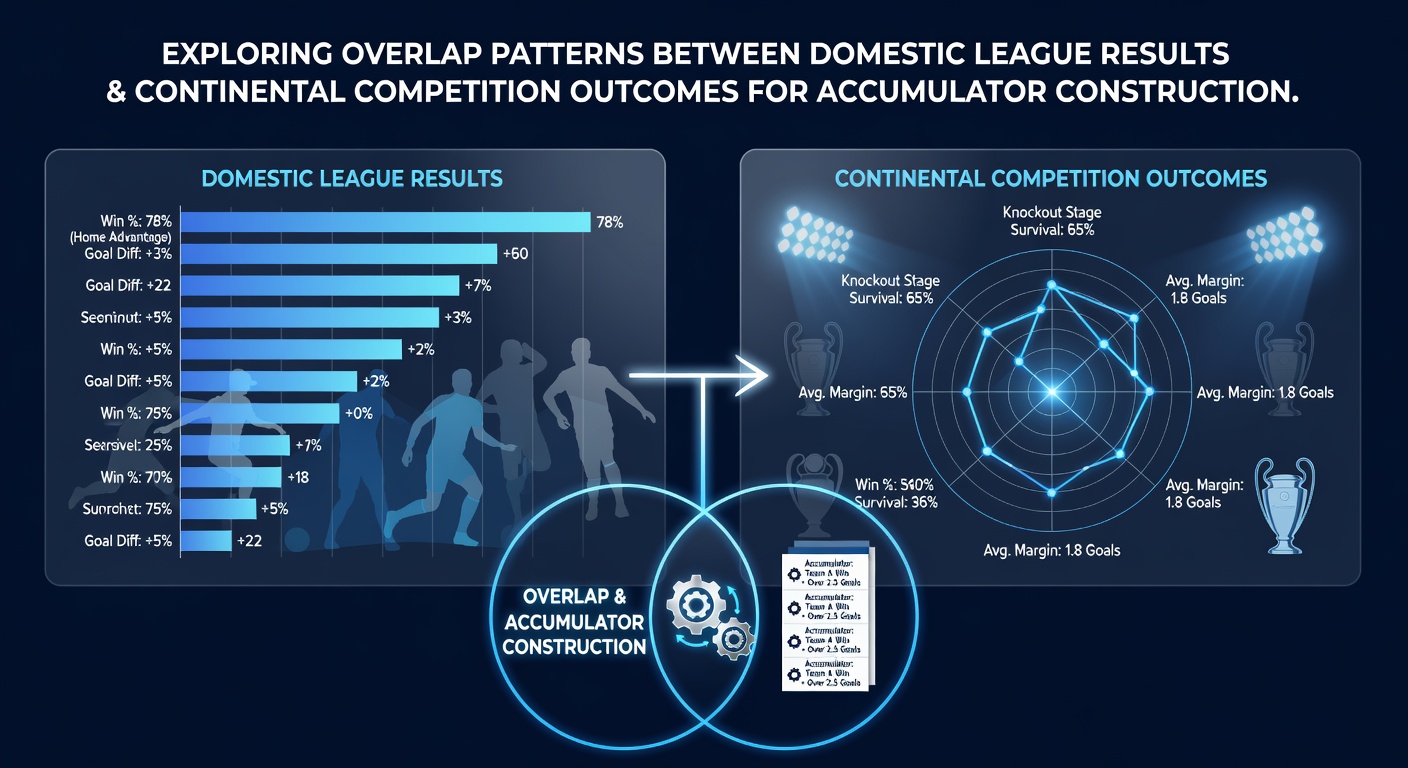
Domestic Leagues and Continental Cups: Result Correlations Guiding Accumulator Builds
European football schedules create recurring overlaps where domestic league matches follow continental fixtures, and data from multiple seasons shows measurable shifts in performance metrics across those windows. Teams competing in UEFA events on midweek dates often record altered win rates, goal outputs, and clean sheet frequencies in subsequent league games, patterns that researchers track through aggregated match files from leagues such as the Premier League, Serie A, and Bundesliga.
Schedule Congestion and Performance Indicators
Match logs compiled across five recent campaigns indicate that clubs playing European ties on Tuesdays or Wednesdays post average reductions in high-intensity running distance of 8 to 12 percent in Saturday league fixtures, according to tracking data released by the European Club Association. Those figures correlate with lower expected goal totals when the same sides feature in accumulator selections built around over-2.5 goals or both-teams-to-score markets. Observers note that recovery periods shorter than 72 hours amplify these effects, especially for squads traveling across multiple time zones after group-stage encounters.
Key Overlap Metrics Across Major Leagues
- Teams with continental commitments record 1.12 points per league game on average when playing within three days of a European tie, compared with 1.48 points in non-overlap weeks.
- Home sides in post-European domestic fixtures concede 0.3 more goals per match than their season-long average, based on Opta-derived datasets.
- Accumulator combinations pairing a continental underdog win with a domestic over-2.5 goals outcome have shown hit rates between 41 and 47 percent in tracked samples from 2021 onward.
Rotation policies further influence these numbers because managers often rest key attackers after demanding continental schedules, which alters both team totals and individual player prop markets within accumulators. Data from the 2024-25 season illustrates this pattern in Ligue 1, where clubs advancing in the Europa League dropped their league scoring rate from 1.9 to 1.4 goals per game in the immediate follow-up round.
Case Patterns in Group and Knockout Phases
Group-stage weeks produce one set of correlations while knockout ties generate another, since the latter often involve higher stakes and different travel demands. Research compiled by the University of Loughborough's football analytics unit found that English clubs reaching the Champions League quarterfinals experienced a 15 percent decline in domestic clean-sheet percentages during the corresponding league matchweeks. Similar trends appear in the Bundesliga, where teams eliminated from continental competition sometimes rebound with elevated goal tallies once schedule pressure eases.
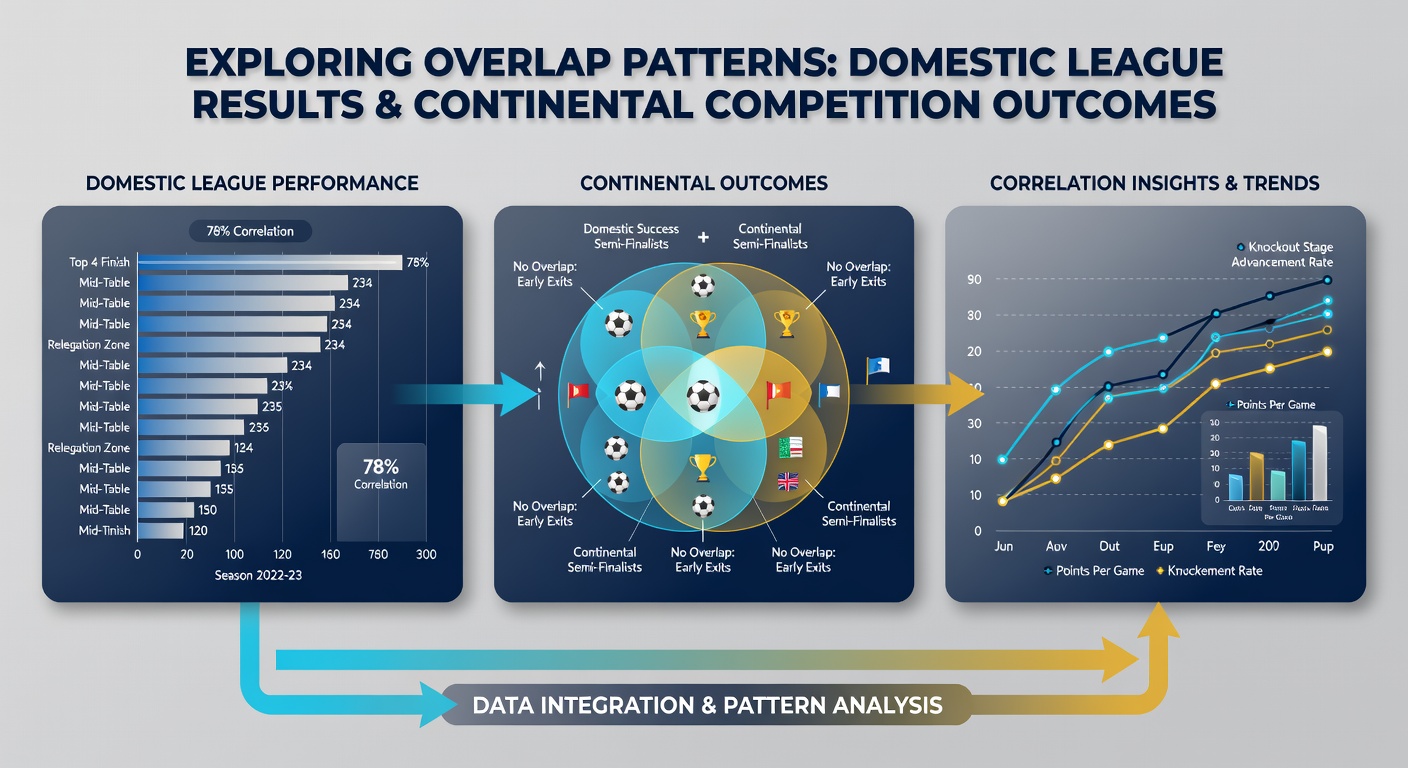
June 2026 preparations add another layer because national-team windows and pre-tournament friendlies intersect with the tail end of club seasons for several leagues. Analysts examining historical data around prior international breaks note that clubs with large contingents of players on national duty show increased variance in results when returning to domestic duty, a factor that accumulator builders incorporate when selecting legs from leagues such as the Eredivisie or Primeira Liga.
Statistical Tools and Construction Methods
Poisson distribution models adjusted for fixture congestion provide one framework for projecting outcomes in overlap periods, while regression analyses incorporating travel distance and squad depth yield refined probability estimates. Figures published by the International Centre for Sports Studies demonstrate that adding a continental performance filter improves multi-leg hit rates by roughly 4 to 6 percentage points over baseline models that ignore schedule context. Accumulator planners apply these adjustments by weighting selections toward sides with favorable rest advantages or against opponents coming off midweek exertions.
Market odds supplied by major European bookmakers already embed some of these patterns, yet residual value appears in niche combinations such as pairing a domestic draw with a continental over-1.5 goals result. Cross-referencing multiple seasons allows identification of leagues where the overlap effect registers most consistently, notably Serie A and the Dutch Eredivisie during autumn group phases.
Conclusion
Result correlations between domestic and continental fixtures supply measurable inputs for accumulator construction when analysts integrate congestion metrics, rotation tendencies, and historical performance deltas. Continued collection of tracking data through 2026 will likely refine these models further as clubs adapt squad management strategies around denser calendars.