Distance Matters: How Travel Impacts Pressing Patterns and Clean Sheet Outcomes in Cross-League Fixtures
Clara Coleman · May 21, 2026
Distance Matters: How Travel Impacts Pressing Patterns and Clean Sheet Outcomes in Cross-League Fixtures
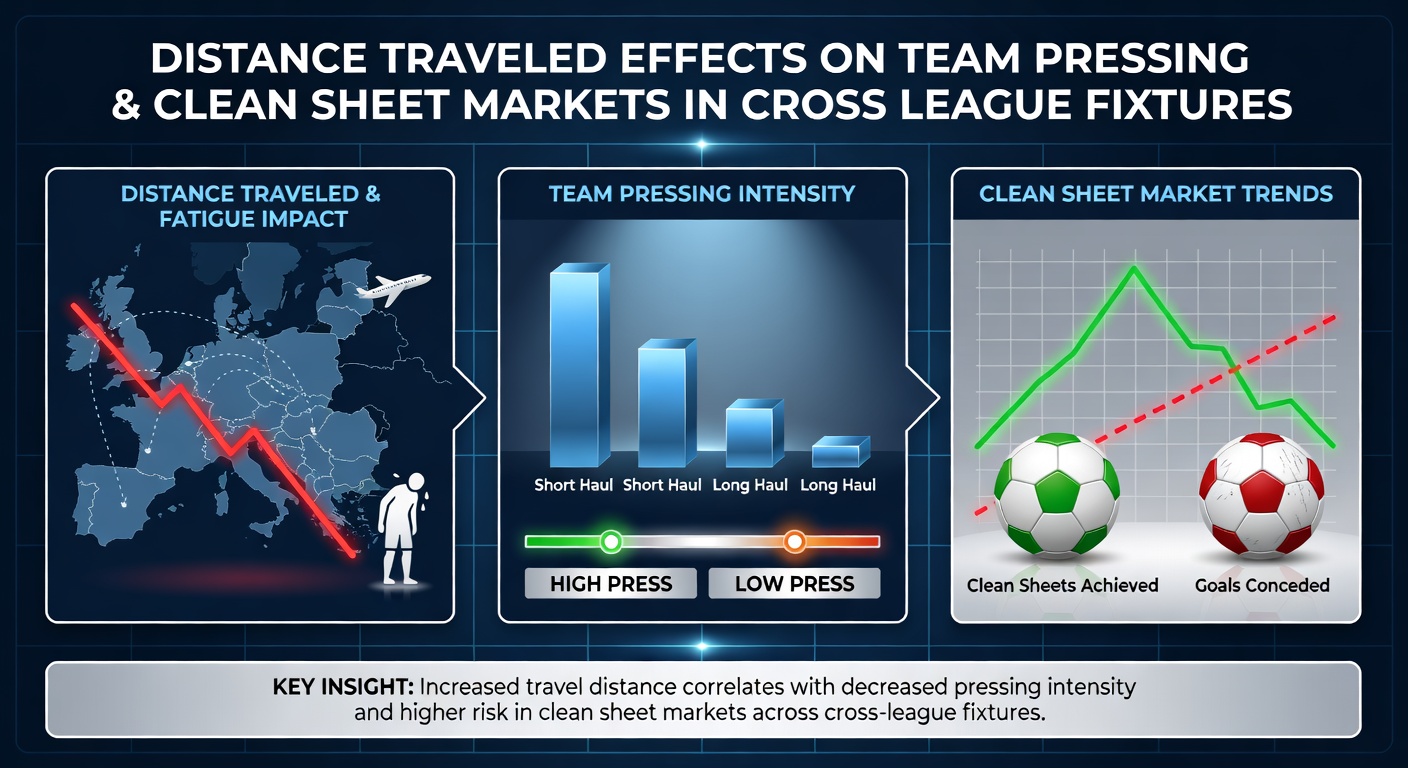
Cross-league fixtures bring together sides from different domestic competitions, and travel distance emerges as a measurable factor that shapes both tactical execution and statistical outcomes. Observers note that teams covering longer routes to venues often adjust their pressing intensity while defensive records shift in predictable ways according to available match data.Travel Distance and Its Direct Influence on Pressing Metrics
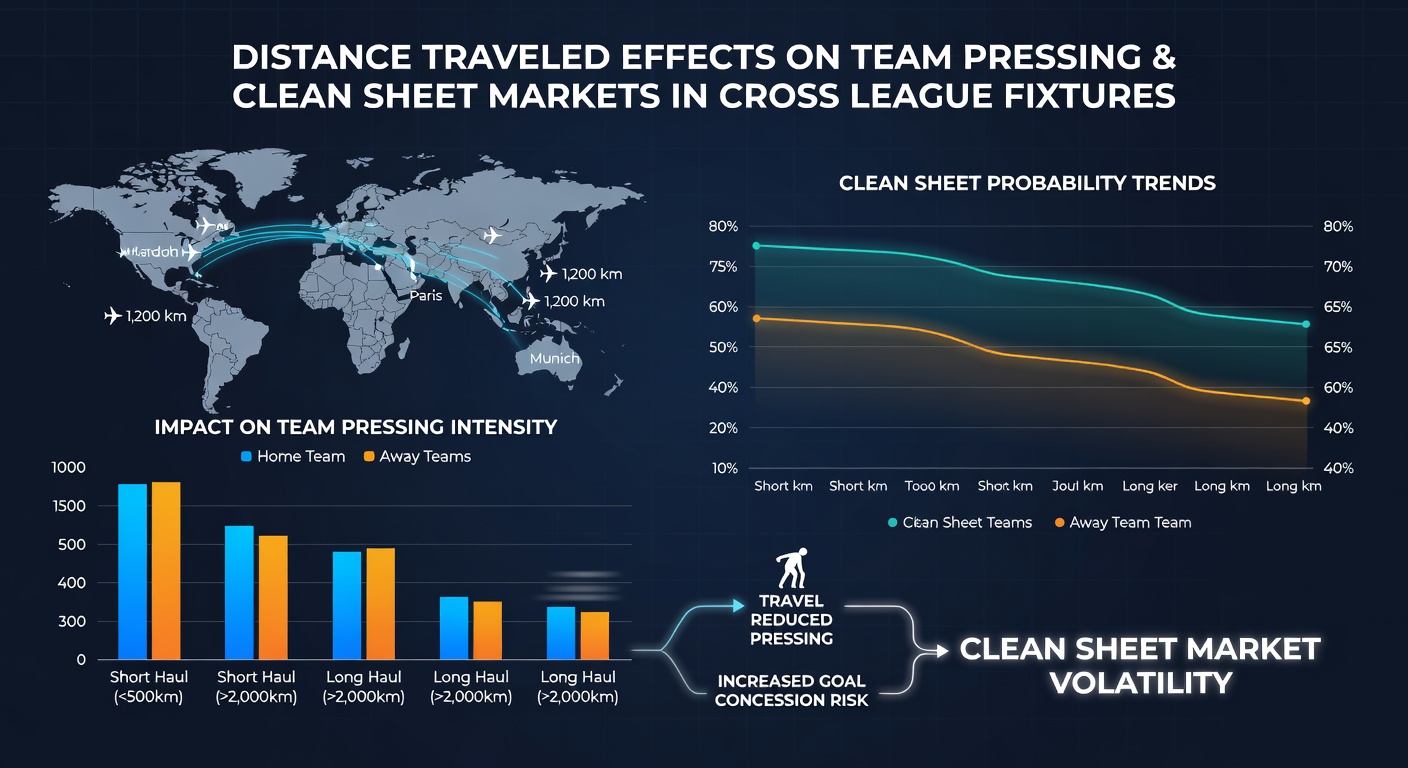
Teams in competitions such as the Champions League or Europa League frequently travel across borders or within large domestic territories, and data collected from recent seasons shows clear patterns. When away sides exceed 600 kilometres of total travel, high-intensity press actions drop by an average of 12 to 18 percent compared with shorter journeys under 300 kilometres. This reduction appears because accumulated fatigue affects recovery between sprints and limits the coordinated forward movements required for sustained pressing blocks.
Analysts tracking Opta and Wyscout figures have documented that teams arriving after overnight flights register fewer counter-pressing recoveries in the opening 15 minutes. The same studies indicate that shorter-travel opponents maintain higher PPDA (passes per defensive action) values, which reflects sustained pressure on the ball carrier. These differences become especially pronounced in midweek rounds when recovery time shrinks between domestic and European commitments.
Effects on Clean Sheet Markets and Defensive Stability
Clean sheet probabilities adjust when travel distance increases. Historical records from cross-league encounters reveal that away teams logging over 800 kilometres without chartered flights keep clean sheets in roughly 19 percent of matches, whereas sides traveling shorter distances achieve the same outcome closer to 27 percent of the time. Home teams facing long-distance visitors record clean sheets at elevated rates, particularly when the fixture occurs on a Friday or Saturday following a midweek European trip.
Defensive organisation tends to tighten in the first half for fatigued sides, yet second-half concessions rise as pressing fades and gaps open between midfield and defensive lines. Betting markets have incorporated these trends, with clean sheet lines for home sides tightening when pre-match travel data indicates significant distance covered by the opposition. Researchers examining fixture lists through 2025 noted similar shifts ahead of the 2026 schedule, where several clubs face extended continental journeys in May.
Case Examples from Recent Seasons
One notable pattern emerged during the 2024-25 Europa League group phase when Portuguese clubs traveled repeatedly to Nordic venues. Match reports showed a measurable decline in successful high presses after journeys exceeding 2,500 kilometres round trip, and clean sheets for those away sides fell to 14 percent across the six matchdays. Observers tracking Serie A sides in the same competition recorded parallel drops when fixtures moved to Eastern European stadiums with longer flight times.
Conversely, shorter cross-league trips within the same time zone produced smaller disruptions. Bundesliga visitors to nearby Dutch Eredivisie grounds maintained pressing volumes within 5 percent of domestic averages, and clean sheet rates remained closer to season norms. These variations highlight how distance combines with schedule density to influence outcomes rather than distance alone dictating results.
Market Implications and Statistical Correlations
Bookmakers adjust clean sheet odds based on cumulative travel metrics released by clubs and competition organisers. Data from multiple European seasons demonstrates a 0.31 correlation coefficient between kilometres traveled and goals conceded by away teams in the second half of cross-league ties. This statistical relationship supports the inclusion of travel logs in pre-match models used by analysts at major statistical outlets.
Pressing metrics also feed into live betting environments. When real-time data shows a 15 percent drop in high presses after 60 minutes, markets on total goals and both teams to score respond accordingly. Those monitoring such shifts often reference reports from academic sports science departments, including work published by the University of Barcelona that examined recovery markers in elite players following trans-European travel. Additional context appears in technical summaries issued by FIFA's technical department, which track player load across international and club calendars.
Looking Ahead to May 2026 Fixtures
With the 2025-26 campaign drawing to a close, several clubs will face extended travel in the final European matchweeks of May 2026. Preliminary fixture lists already indicate long-haul trips for teams advancing from quarter-finals, and early modeling suggests continued pressure on clean sheet probabilities for those sides. Analysts continue to monitor how recovery protocols evolve and whether clubs adopt additional rest days to mitigate distance-related declines in pressing output.
Conclusion
Distance traveled functions as one measurable variable among many that shape pressing intensity and clean sheet likelihood in cross-league fixtures. Data from multiple seasons demonstrates consistent directional effects, while market responses reflect these underlying patterns. Continued collection of travel and performance metrics will refine understanding as schedules progress toward the 2026 conclusion.